

Making money from a blog is possible, but publishing articles alone will not generate income. You need useful content that attracts the right audience, a way to reach potential readers, and a monetization strategy that matches what those readers need.
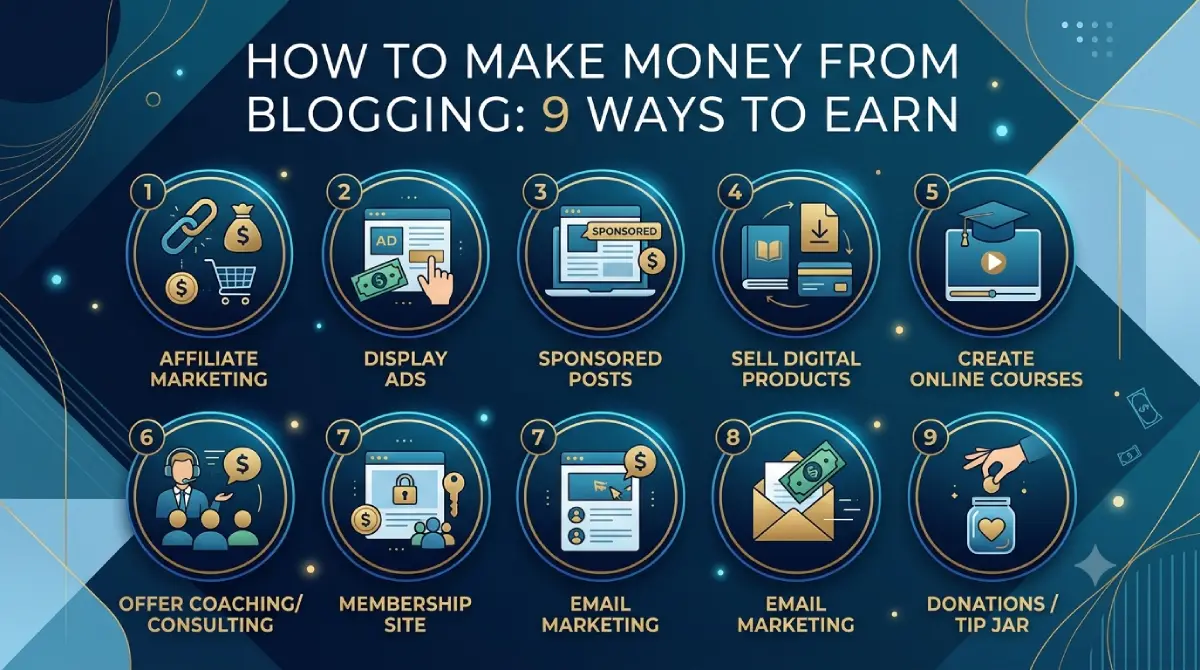
If you are wondering how to make money from your blog, you can start with affiliate marketing, display advertising, sponsored content, freelance services, digital products, or other income streams. The best option depends on your blog topic, audience, experience, and goals.
You do not need millions of visitors to earn your first income from blogging. A smaller audience with a specific need can be valuable when your content helps readers make informed decisions. However, results are not guaranteed, and building a profitable blog usually requires consistent work, testing, and patience.
In this guide, you will learn how to earn money from blogging, which monetization methods are worth considering, how to choose the right approach, and what you can do to turn your blog into a sustainable online business. (How to Make Money From Your Blog in 2026: 9 Proven Ways to Earn.)
Table of Contents
How Can We Earn Money From a Blog?
We often wonder, “How can I make money from my blog?” This is a common question for beginners who want to start a blog in 2026 or 2027.
We can earn money from a blog by publishing helpful content and connecting it with a suitable source of revenue. Depending on the topic and audience, this could mean earning commissions through affiliate marketing, displaying advertisements, working with brands, selling digital products, or offering professional services.
For example, a website about blogging and SEO can earn affiliate commissions by recommending relevant hosting services, website tools, and keyword research platforms. It could also sell SEO templates, offer website audits, or provide content optimization services.
A cooking blog, on the other hand, might earn through display ads, sponsored recipes, downloadable meal plans, or a digital cookbook.
The important thing is to choose a monetization method that makes sense for your readers instead of adding income opportunities that do not fit your content.
Here is a quick overview of the main ways to make money from a blog:
| Monetization method | How you earn | Best suited for |
|---|---|---|
| Affiliate marketing | Commissions from qualifying purchases or sign-ups | Product reviews, tutorials, comparisons |
| Display advertising | Revenue from ads shown on your pages | Blogs with consistent traffic |
| Freelance services | Fees for work you provide | Blogs demonstrating professional expertise |
| Digital products | Sales of ebooks, templates, courses, or guides | Blogs that solve specific problems |
| Sponsored content | Payments from relevant brands | Blogs with an engaged audience |
| Email marketing | Revenue from promoting useful offers to subscribers | Blogs with a growing email list |
| Memberships | Recurring payments for premium content or access | Established niche communities |
| Physical products | Profit from selling products | Product-focused or enthusiast blogs |
| Direct ad sales | Payments for advertising placements | Blogs with a clear audience and niche |
You do not need to use every method. Start with one that fits your current stage, measure the results, and add another when your blog is ready.
Week 1: Choose Your Audience and Income Model
Define your niche, identify the main problems your readers face, and choose one monetization method to test. Review your existing articles to see which topics attract the most relevant audience.
Week 2: Create Useful Content
Publish or improve articles that answer your audience’s questions. Add relevant internal links, clarify your recommendations, and include a natural next step where appropriate.
Week 3: Implement One Monetization Method
Apply to a suitable affiliate program, configure an eligible advertising network, publish a service page, or test interest in a digital product. Check the relevant rules before launching.
Week 4: Measure and Improve
Review traffic, clicks, enquiries, conversions, and costs. Identify what is working, fix weak points, and choose the next improvement based on evidence rather than guesswork.
1. Make Money Through Affiliate Marketing
Affiliate marketing is one of the most practical ways to monetize a blog because you can recommend relevant products without creating or managing those products yourself.
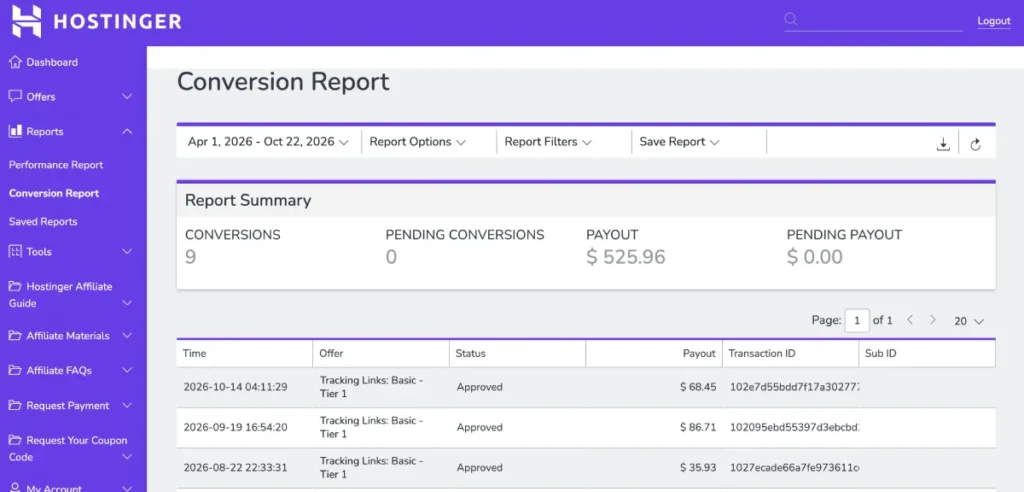
The process is straightforward: you join an affiliate program, receive a tracking link, and place that link in suitable content. If a reader completes a qualifying purchase or action through your link, you may earn a commission according to the program’s terms.
For example, a technology blogger could recommend web hosting in a tutorial about launching a website. A personal finance blogger might compare budgeting software, while a travel blogger could recommend luggage or booking services.
How to get started with affiliate marketing
Step 1: Choose relevant products.
Promote products or services that solve a problem your audience actually has. Relevance matters more than the number of affiliate links you publish.
Step 2: Join suitable affiliate programs.
Review the commission structure, eligibility requirements, cookie duration, payment conditions, and promotional rules before joining.
Step 3: Publish content that helps readers decide.
Useful formats include product comparisons, tutorials, honest reviews, alternatives pages, and practical buying guides.
Step 4: Explain the benefits and limitations.
Readers need enough information to decide whether a product suits their needs. Avoid presenting every product as the best choice.
Step 5: Track clicks and conversions.
Use the reporting tools provided by the affiliate program to identify which pages generate meaningful results.
If your blog covers website creation, a detailed tutorial about choosing hosting can naturally link to your guide on the best web hosting in India. This is useful when readers need help comparing hosting providers before launching a website.
Always disclose affiliate relationships clearly and follow the relevant advertising, consumer protection, and affiliate program rules.
2. Earn Money From Blog Advertising
Display advertising allows you to earn revenue by showing advertisements to visitors. An advertising network typically manages the ads and pays publishers according to its payment model and applicable terms.
Google AdSense is one option for eligible publishers. Other advertising networks may be worth exploring as your website grows and meets their requirements.
Advertising can work well for blogs that attract regular visitors, especially when readers discover multiple useful articles during a visit. However, earnings vary considerably based on audience location, subject matter, advertiser demand, page views, ad placement, and other factors.
How to monetize your blog with ads
- Publish original, useful content that follows the advertising network’s policies.
- Create essential website pages, including About, Contact, and Privacy Policy pages where appropriate.
- Review the network’s eligibility requirements and apply when your site is ready.
- Configure ad placements that do not make your content difficult to read.
- Monitor revenue, page performance, and user engagement.
- Improve your content and traffic sources instead of relying only on adding more ads.
There is no universal traffic number that guarantees approval or meaningful income. Each advertising provider has its own requirements, and even an approved blog may earn very little initially.
Avoid placing excessive ads above the content or using intrusive layouts that frustrate readers. A blog that is difficult to use can lose visitors and undermine the trust you need to build a lasting audience.
3. Offer Freelance Services Through Your Blog
If you have a marketable skill, offering services can be a practical way to earn money before your blog attracts a large audience.
Your articles can demonstrate your knowledge and help potential clients understand the quality of your work. Instead of waiting for advertising revenue to grow, you can use your content to attract people who need a specific service.

Examples include:
- SEO audits and keyword research
- Blog writing and content editing
- WordPress website setup
- Website speed optimization
- Graphic design and branding
- Social media management
- Consulting or coaching
- Website maintenance and technical support
How to turn blog readers into clients
Start by identifying a problem you can solve. Publish articles that answer related questions and demonstrate your approach. Add a clear services page that explains what you offer, who you help, and how potential clients can contact you.
You can also create a relevant call to action within suitable articles. For example, an article explaining technical SEO problems could invite readers to request an SEO audit.
Do not make unrealistic promises about rankings, revenue, or guaranteed results. Explain the scope of your work and set clear expectations.
For bloggers who understand WordPress, website creation can be a useful service to offer. A reader who learns how to launch a website may also need help choosing a suitable platform, setting up WordPress, or selecting a reliable hosting plan.
If your readers are at that stage, you can direct them to your guide on choosing the best WordPress hosting as a relevant next step.
4. Sell Digital Products on Your Blog
Digital products allow you to package your knowledge into something readers can purchase and use. Unlike freelance work, where each project requires your time, a digital product can often be sold repeatedly after you create it.
Popular digital products include:
- Ebooks and downloadable guides
- Checklists and worksheets
- Notion or spreadsheet templates
- Online courses and recorded lessons
- Website themes and design templates
- SEO planning documents
- Industry-specific reports
- Paid resource libraries
For example, a blogging website could sell a content calendar, a keyword research spreadsheet, or a website launch checklist. A fitness blog might offer a training plan, while a cooking blog could sell a collection of meal plans.
How to choose a digital product idea
Start with the questions readers ask repeatedly. Look at comments, emails, search queries, and the topics that attract the most engagement.
Then choose a problem that can be solved with a useful resource. You do not need to create a large course immediately. A well-designed checklist or template can be a more manageable first product.
Before investing heavily in production, validate the idea. You might survey readers, offer a free sample, collect sign-ups for a launch, or speak with potential customers.
Make the product easy to understand and use. Provide clear details about what buyers receive, how delivery works, and what support is included.
5. Earn Money Through Sponsored Blog Posts
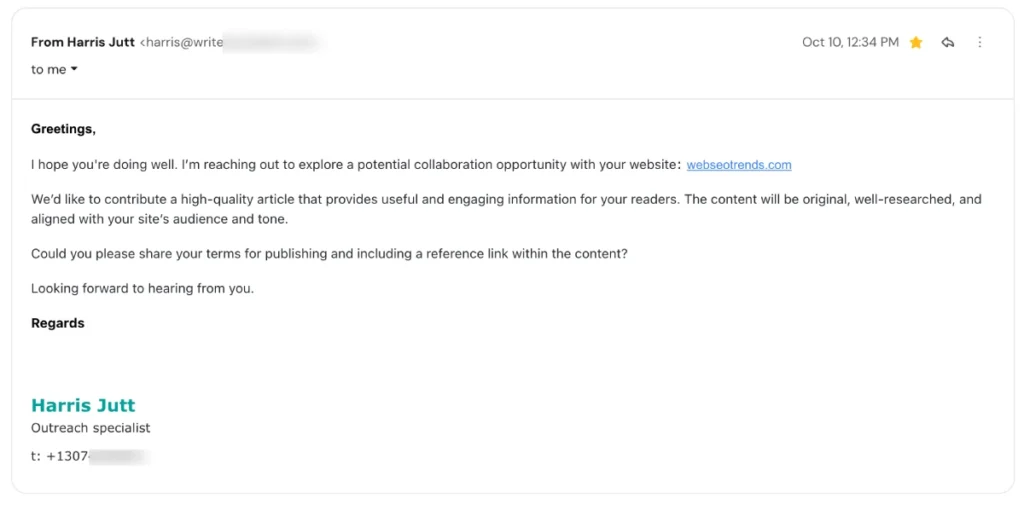
Sponsored content is another way to monetize an established blog. A company pays you to create or publish content that introduces its product, service, or brand to your audience.
For example, a technology blog might collaborate with a software company, while a travel website could partner with a travel accessory brand.
However, brands do not necessarily pay based on traffic alone. They may consider audience relevance, reader engagement, content quality, topical expertise, and the suitability of your website for their campaign.
How to attract sponsorship opportunities
Build a focused audience. A blog with a clear topic makes it easier for potential partners to understand whom they can reach.
Publish quality content consistently. Your existing articles demonstrate your writing standards and the kind of information your readers expect.
Create a media kit. Include your niche, audience information where available, traffic metrics, engagement data, previous collaborations, and contact details. Use accurate data rather than inflated numbers.
Contact relevant brands. Explain why your audience is a suitable match and propose a specific collaboration.
Protect reader trust. Clearly identify sponsored content and follow applicable disclosure requirements. Do not promise positive reviews in exchange for payment.
Sponsored posts should fit your blog. Accepting unrelated promotions simply because a company offers payment can weaken your credibility and make your website less useful.
6. Build an Email List and Monetize It
Search engines and social platforms can help people discover your blog, but you do not control how those platforms change their distribution systems. An email list gives you a direct way to communicate with readers who choose to subscribe.
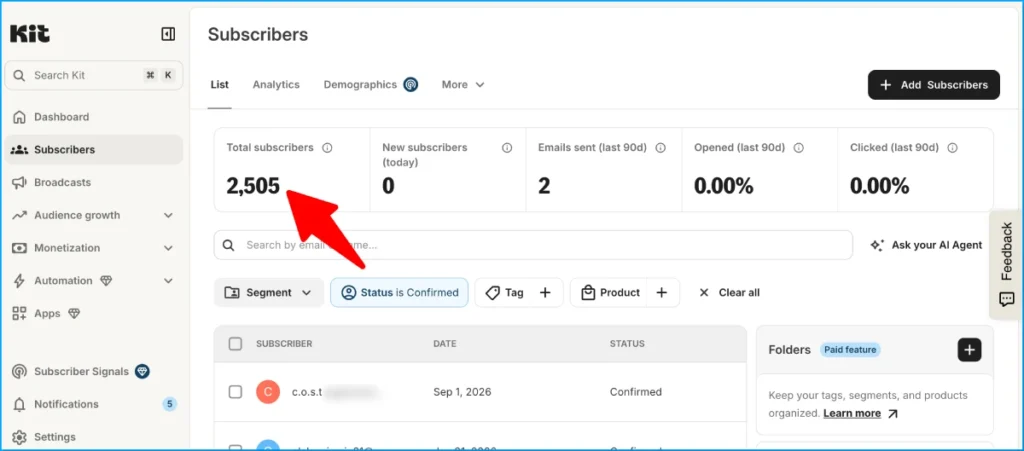
Email marketing can support several revenue streams. You can recommend relevant affiliate products, announce a new digital product, promote your services, or offer premium content.
How to grow an email list
Offer a useful reason to subscribe, such as a checklist, downloadable guide, template, or short email course. Add a clear sign-up form to relevant pages and explain what subscribers can expect.
Send emails that provide value rather than making every message a sales pitch. Share useful tips, explain common mistakes, recommend relevant resources, and introduce offers when they genuinely fit the reader’s needs.
For example, someone reading a tutorial about starting a blog may appreciate a website launch checklist. Later, you could send a helpful email about keyword research, content planning, or website maintenance.
Obtain consent where required, explain how subscriber data is used, and provide an appropriate unsubscribe option. A smaller, engaged list is often more useful than a large list of people who never open your emails.
7. Create a Membership or Paid Community
If your blog serves readers who need ongoing guidance, you may be able to offer a paid membership.
Memberships can provide recurring revenue when subscribers receive continuing value. Depending on your niche, the offer could include premium tutorials, downloadable resources, expert Q&A sessions, a private community, or regular workshops.
For example, an SEO blog might provide advanced case studies, monthly training sessions, and practical templates. A language-learning blog could offer additional exercises and live practice sessions.
What makes a membership worth paying for?
Readers need a clear reason to pay for something they cannot get from your free articles alone. That does not mean your public content should be weak. Instead, the paid offer should provide additional depth, convenience, interaction, or ongoing support.
Before launching a membership, consider whether you can consistently deliver the promised benefits. Recurring payments come with recurring responsibilities, including content updates, member support, and managing cancellations.
You can test demand by asking your audience what they need, running a small pilot, or offering a limited paid workshop before building a full membership platform.
8. Sell Physical Products Through Your Blog
A blog can also help you sell physical products. This model may suit websites that focus on hobbies, crafts, cooking, fitness, home improvement, or specialized equipment.
Depending on your business, you could sell your own products, use a print-on-demand service, or direct readers to an online store.
For example, a craft blog could sell patterns and handmade supplies. A food blog might sell branded kitchen accessories, while a gardening website could offer tools or starter kits.
Your content should help potential customers understand the products and decide whether they meet their needs. Tutorials, comparisons, maintenance advice, and product demonstrations can all support this process.
Before starting, calculate product costs, shipping, taxes, payment processing fees, returns, and customer support. Sales revenue is not the same as profit, and physical products often require more operational work than digital products or affiliate marketing.
9. Sell Advertising Space Directly
Direct advertising means selling an advertising placement or sponsorship to a company without relying entirely on an advertising network.
For example, a niche website might offer a clearly labeled sponsor placement, a newsletter sponsorship, or a banner advertising package to a relevant business.
This can be attractive when your blog reaches a well-defined audience that advertisers want to reach. However, you need a clear offer, accurate audience data, suitable advertising policies, and a way to manage contracts and payments.
Start by creating a page that explains your advertising opportunities. Include your niche, available placements, audience metrics, contact information, and disclosure approach.
Contact companies whose products genuinely fit your readers. Avoid selling links intended to manipulate search rankings, and follow Google’s spam policies and applicable advertising rules.
How Can You Earn Money From Blogging Without a Large Audience?
You can earn money from blogging without a large audience if your content reaches people with a specific need and you offer a relevant solution.
For example, a blog with a focused article about choosing a WordPress hosting plan may attract readers who are preparing to launch a website. Some of those readers may be interested in a relevant affiliate recommendation or a website setup service.
A general article with many casual visitors might not produce the same results. This is why audience relevance and search intent matter alongside traffic volume.
If your blog is new, consider these steps:
- Choose a specific niche. Focus on a topic you understand and can cover in useful detail.
- Target relevant search queries. Find questions your intended audience asks and create content that answers them directly.
- Publish helpful articles. Include practical examples, clear explanations, and original insights.
- Choose one monetization method. Start with a suitable affiliate program, service, or simple product rather than trying everything at once.
- Build trust. Be transparent about recommendations, limitations, and commercial relationships.
- Track meaningful results. Measure clicks, leads, purchases, email sign-ups, and revenue rather than judging success only by page views.
You do not need to wait for a particular traffic milestone before testing every monetization option. Some methods, such as advertising networks, have their own eligibility requirements, while services and certain affiliate programs may be viable earlier.
How Can You Make Money as a Blogger? A Step-by-Step Plan
To make money as a blogger, treat your website as a business that solves a defined problem for a particular audience. You need useful content, a way to attract readers, an appropriate revenue model, and a process for improving results.
Here is a practical plan you can follow.
Step 1: Choose a topic with audience demand
Select a niche that combines your knowledge or interests with questions people actively search for. Consider whether readers in that niche buy products, need professional help, or value specialized information.
Do not choose a topic based solely on claims that it is profitable. You need to be able to produce reliable, useful content consistently.
Step 2: Set up your blog properly
Choose a domain name, blogging platform, and hosting service that fit your requirements. Make sure your website is secure, mobile-friendly, reasonably fast, and easy to navigate.
If you are still setting up your website, read the guide to the best web hosting in India to compare providers and understand the features that matter before choosing a plan.
For a WordPress site, also consider backups, updates, security, and support. The cheapest plan is not automatically the best choice for every website.
Step 3: Research keywords and search intent
Find the questions your intended readers want answered. Look at relevant keyword data, related searches, competing pages, and the actual information people need.
Choose keywords that fit your blog and the purpose of each article. A tutorial, product comparison, and informational guide may serve different search intents even when they discuss the same topic.
For more focused keyword research, use this guide on finding low-competition keywords that can rank.
Step 4: Publish useful content
Create articles that answer the reader’s question completely. Use descriptive headings, examples, clear explanations, and relevant visuals where they add value.
Avoid publishing many similar articles that repeat the same information. A smaller collection of useful, well-structured pages can be a better foundation than a large collection of thin posts.
Step 5: Add a relevant monetization method
Choose a revenue stream that fits the content. For example, a product comparison could include appropriate affiliate links, while a tutorial demonstrating a professional skill could introduce a related service.
Keep commercial links relevant and explain the relationship where disclosure is required. The reader’s problem should remain the main focus of the article.
Step 6: Improve internal linking
Link related articles together where it helps readers continue learning. Use descriptive anchor text that tells readers what the destination page covers.
For example, an article about launching a WordPress website can link to a detailed WordPress hosting guide when readers need to compare hosting options. Avoid adding unrelated links simply to increase the number of internal links.
Step 7: Measure and improve performance
Use tools such as Google Search Console and your website analytics platform to understand which pages attract visitors, which queries generate impressions, and how people interact with your content.
For monetization, track affiliate clicks, conversions, leads, product sales, ad revenue, and business expenses as appropriate.
Improve pages based on what the data and reader feedback reveal. You may need to clarify an answer, update outdated information, improve the page experience, or make an offer more relevant.
How Much Money Can You Make From a Blog?
There is no fixed amount a blogger earns. Blog income depends on the subject, audience, traffic sources, monetization method, conversion rate, reader trust, and operating costs.
Two blogs with similar traffic can generate very different results. One might attract visitors who are researching a purchase, while another might attract people looking for quick answers without needing a product or service.
A useful way to understand potential income is to calculate the revenue drivers for each monetization method.
Example: Calculating affiliate income
Suppose a blog receives 10,000 visits to a relevant article in a month. If 2% of those visitors click an affiliate link, that produces 200 clicks. If 3% of those clicks result in a qualifying purchase, that produces 6 conversions.
If the commission is $12 per qualifying conversion, the illustrative gross commission would be $72.
These numbers are an example for calculation only, not an industry average or earnings promise. Actual clicks, conversion rates, qualifying purchases, and commissions may be much lower or higher.
Example: Calculating advertising revenue
If a blog generates 20,000 page views in a month and its effective page RPM is $1.20, estimated advertising revenue would be $24 for that period.
The formula is:
Estimated ad revenue = (page views ÷ 1,000) × page RPM
The example uses an assumed RPM for illustration. Actual advertising rates vary by niche, audience, season, network, and other factors.
Remember to account for expenses
Gross revenue is not the same as take-home profit. A blogging business may have expenses for hosting, domains, software, writers, design, advertising, payment processing, taxes, and other services.
Track both income and costs so you can understand whether your blog is becoming financially sustainable.
How to Increase Your Blog Income Over Time
Once you have published useful content and started testing monetization, focus on improving the parts of your business that affect results.
Target readers with the right intent
Not every keyword is equally useful for every business. Some searches indicate that a person wants to learn, while others indicate that they are comparing products or looking for a service.
Create content for different stages of the reader’s journey. Informational articles can build awareness, comparison articles can help readers evaluate options, and service pages can explain how to get help.
Update older content
Review articles that receive impressions or traffic but do not perform as well as expected. Check whether the information is still accurate, whether the article answers the query clearly, and whether readers need additional examples or explanations.
Update content when there is a genuine reason to do so. Changing a publication date without making meaningful improvements is not a substitute for keeping an article useful.
Improve the user experience
Make your blog easy to read on mobile devices. Use clear navigation, readable typography, sensible spacing, and a logical heading structure.
Avoid intrusive pop-ups, excessive ads, and unnecessary design elements that prevent readers from accessing the content.
Build topical depth
Cover the important questions within your niche instead of publishing unrelated articles simply because they have search volume.
For example, a website focused on blogging could cover keyword research, content planning, WordPress setup, website hosting, technical SEO, and monetization. Each article should serve a distinct purpose and link to related resources when useful.
Diversify carefully
Relying on a single traffic source or monetization method can make income unpredictable. Over time, consider building an email list, adding an appropriate second revenue stream, or developing your own product or service.
Diversification should be manageable. Adding more monetization methods is not helpful if it reduces content quality or makes the website harder to use.
Common Blogging Monetization Mistakes to Avoid
A blog can attract visitors without earning much if its content and monetization strategy do not work together. Avoid these common mistakes:
1. Expecting instant income. Search visibility, reader trust, and conversions take time to develop. There is no guaranteed timeline for earning your first payment.
2. Choosing a niche only for money. If you cannot produce accurate and useful content on the subject, it will be difficult to build a credible website.
3. Publishing content without a clear purpose. Every article should answer a real question or serve a meaningful audience need.
4. Adding too many affiliate links. Links should support the reader’s decision, not distract from the answer.
5. Promoting products you do not understand. Recommendations should be honest and relevant. Clearly explain limitations and disclose commercial relationships.
6. Ignoring search intent. A page may target a keyword but still fail to satisfy the reason someone searched for it.
7. Relying only on traffic. More visitors do not automatically mean more revenue. Consider relevance, engagement, conversion, and the value of the offer.
8. Neglecting website maintenance. Broken links, outdated information, security issues, and poor usability can undermine the reader experience.
9. Ignoring expenses. Measure net profit as well as gross revenue so you know whether your efforts are financially worthwhile.
A Simple 30-Day Plan to Start Monetizing Your Blog
If you already have a blog, use the following plan to begin testing a monetization strategy. Adjust the schedule to your available time and the condition of your website.
Week 1: Choose your strategy
- Identify your audience and the main problems your blog solves.
- Review your existing articles and find topics relevant to products, services, or digital resources.
- Select one monetization method to test.
- Check the rules and eligibility requirements for any program you plan to join.
Week 2: Improve your content
- Choose a few useful articles to update or expand.
- Answer the main search query clearly near the beginning.
- Add examples, relevant headings, and helpful internal links.
- Remove outdated or unnecessary information.
Week 3: Add the monetization elements
- Apply to a suitable affiliate or advertising program if appropriate.
- Create a simple services page or develop a small digital product if that fits your strategy.
- Add relevant calls to action without overwhelming the content.
- Include disclosures and privacy information where needed.
Week 4: Review your results
- Check impressions, clicks, and traffic trends.
- Measure affiliate clicks, leads, sales, or advertising revenue as applicable.
- Identify pages that need clearer information or a better user experience.
- Decide what to improve next month based on evidence rather than assumptions.
Thirty days is enough to organize and begin testing a plan, but it is not a promise that your blog will become profitable within a month. Continue learning from your results and improving the website.
Frequently Asked Questions About Making Money From a Blog
1. How can we earn money from a blog as a beginner?
Beginners can explore affiliate marketing, freelance services, digital products, or advertising when eligible. Start with a method that fits your topic and audience. Publish useful content, build reader trust, and test your chosen approach rather than trying every monetization method at once.
2. How can you earn money from blogging without investing a lot?
You can start with a modest budget by using a suitable blogging platform, publishing your own content, and promoting your work through relevant channels. Some monetization methods have low upfront costs, although domains, hosting, tools, and other business expenses may still apply. Free platforms can also have limitations.
3. How can you make money as a blogger with low traffic?
Focus on attracting the right readers rather than chasing traffic alone. A focused blog can test relevant affiliate offers, provide freelance services, or sell a useful digital resource even before it has a large audience. Results depend on the audience, offer, trust, and conversion rate.
4. How long does it take to make money from blogging?
There is no universal timeline. Some bloggers may generate an early lead or commission, while others take much longer to earn meaningful revenue. Search visibility, content quality, niche competition, monetization choices, and publishing consistency all influence progress.
5. Is blogging still worth it in 2026?
Blogging can still be worthwhile when it serves a clear audience and offers useful information, expertise, or products. Success is not automatic, and search competition continues to evolve. Build content that genuinely helps readers and consider more than one appropriate way to reach your audience.
6. Can I make money from a free blog?
Some free blogging platforms allow monetization, but their rules and features vary. You may have less control over advertising, website design, plugins, and branding. Review the platform’s terms before building a business around it.
7. Which blog monetization method is best?
There is no single best method for every blog. Affiliate marketing can suit product-focused content, services can work well when you have a marketable skill, and advertising may be suitable for blogs with consistent traffic. Digital products and memberships can work when readers want specialized resources or ongoing support.
8. Do I need SEO to make money from blogging?
SEO is not required for every monetization method, but it can help readers discover your content through search engines. Combine useful content, appropriate keyword research, a good website experience, and relevant internal links. You can also explore other suitable traffic sources, such as email newsletters or social platforms.
9. How many blog posts do I need before monetizing?
There is no fixed number of posts that guarantees income or advertising approval. Focus on publishing enough high-quality content to serve your audience and demonstrate the purpose of your website. Follow the specific requirements of any advertising or affiliate program you join.
10. Can blogging become a full-time income source?
It can become a full-time business for some people, but results vary and are never guaranteed. Before relying on blog income, consider revenue consistency, operating costs, taxes, savings, and the risks of changes in traffic or commission rates.
Final Thoughts
Learning how to make money from your blog starts with understanding your audience and choosing a monetization method that fits its needs. Affiliate marketing, display ads, freelance services, digital products, sponsorships, email marketing, memberships, physical products, and direct advertising all offer different opportunities and trade-offs.
You do not need to launch every income stream immediately. Choose one approach, create genuinely helpful content, make your website easy to use, and measure what happens when readers interact with your offers.
If you are building a blogging business from the ground up, make sure the technical foundation is reliable, too. Start by comparing web hosting options for your website and build a content strategy around the questions your audience genuinely wants answered.
The long-term goal is not simply to publish more articles. It is to build a useful, trustworthy website that attracts the right readers and provides a clear reason for them to return, subscribe, buy, or work with you.
