High-Authority Link Building for SEO That Drives Real Rankings
I’ve found that 8 out of the top 20 factors that affect Google rankings are directly related to link building.
That’s right! Google treats backlinks (links from other sites) as votes of confidence, making them one of the most powerful signals of your website’s quality and authority. Even after nearly 20 years since Google’s creation, links remain the best way to determine the quality of a webpage.
When you combine strong technical SEO, solid on-page optimization, helpful content, and a smooth user experience with smart link building, that is when your organic traffic really starts to grow. The results are easy to see. Pages with more high-quality backlinks almost always rank higher on Google.
So let’s keep things simple. What is link building?
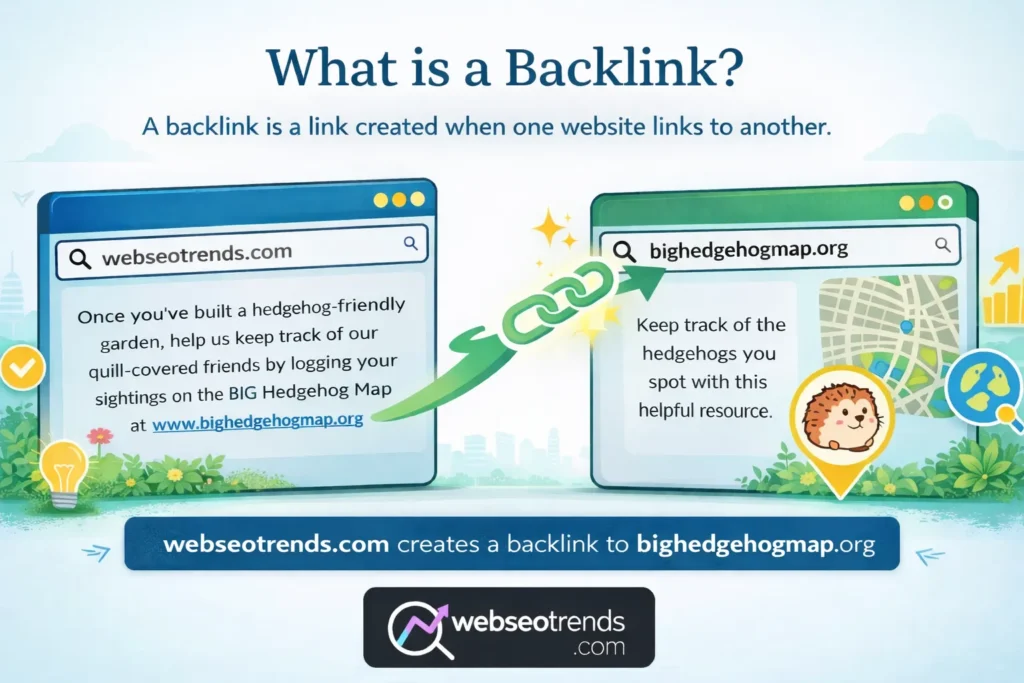
It is the process of getting other websites to link back to yours. These links, also known as backlinks, act like recommendations. When trusted sites link to you, Google sees your content as credible and rewards you with higher rankings. On top of SEO benefits, effective SEO link building also increases brand visibility and sends steady referral traffic to your site.
But here is something most people forget. Not all backlinks are helpful. Some can boost your rankings quickly, while others can do nothing or even harm your SEO. This is why understanding what makes a backlink valuable is one of the most important parts of any successful link building strategy.
In this guide, I will show you everything step by step.
• how to identify truly high-quality backlinks
• which link building techniques actually work in 2025
• common mistakes to avoid
• and the best link building strategies you can start using today
You will also learn whether you should manage your SEO link building strategy yourself or outsource it, plus the top tools that make backlink building easier and more effective.
Today, Google cares more about relevance, quality, and authenticity than ever before. If you want a clean, safe, white hat link building approach that builds real authority and long-term rankings, this guide will help you build a strong backlink profile that actually improves your visibility and brings consistent organic traffic.
What Is Link Building?
Link building is the process of getting other websites to link back to your site. These links on third-party websites, which link to your website (Or blog) is called backlinks, and they work as pathways that let users jump between different pages across the internet. But link building isn’t just about creating convenient paths for users—it’s one of the core foundations of search engine optimization.
Google uses these links for two main reasons. First, they follow links to find and crawl new web pages. Second, they treat these links like recommendations or endorsements. The more quality sites that link to you, the more Google sees your site as trustworthy and authoritative.
In 2025, Backlinks are so important that they make up 8 of the top 20 ranking factors Google uses. That’s why SEO link building remains a top priority for anyone serious about improving their search visibility.
Here’s the thing though—not all backlinks are created equal.
A link from an authoritative website in your industry carries way more weight than some random link from an unrelated site. Take BBC.co.uk, for example. It has backlinks from over one million domains, including heavy hitters like CDC.gov and Microsoft.com, which helps explain its strong search rankings.
Sure, some links happen naturally. Journalists cite sources, bloggers recommend products they love, or industry experts reference helpful resources. But if you want to compete effectively in search results, you need deliberate link building strategies. The sweet spot? Combining both organic link acquisition with targeted outreach.
backlink building has changed a lot over the years.
Back in the day, it was all about quantity. The more links, the better—quality didn’t matter much. This led to some pretty spammy practices that Google eventually cracked down on. Today, search engines are smart enough to penalize websites with sketchy backlink profiles.
Sites with low-quality links from questionable sources can completely vanish from search results.
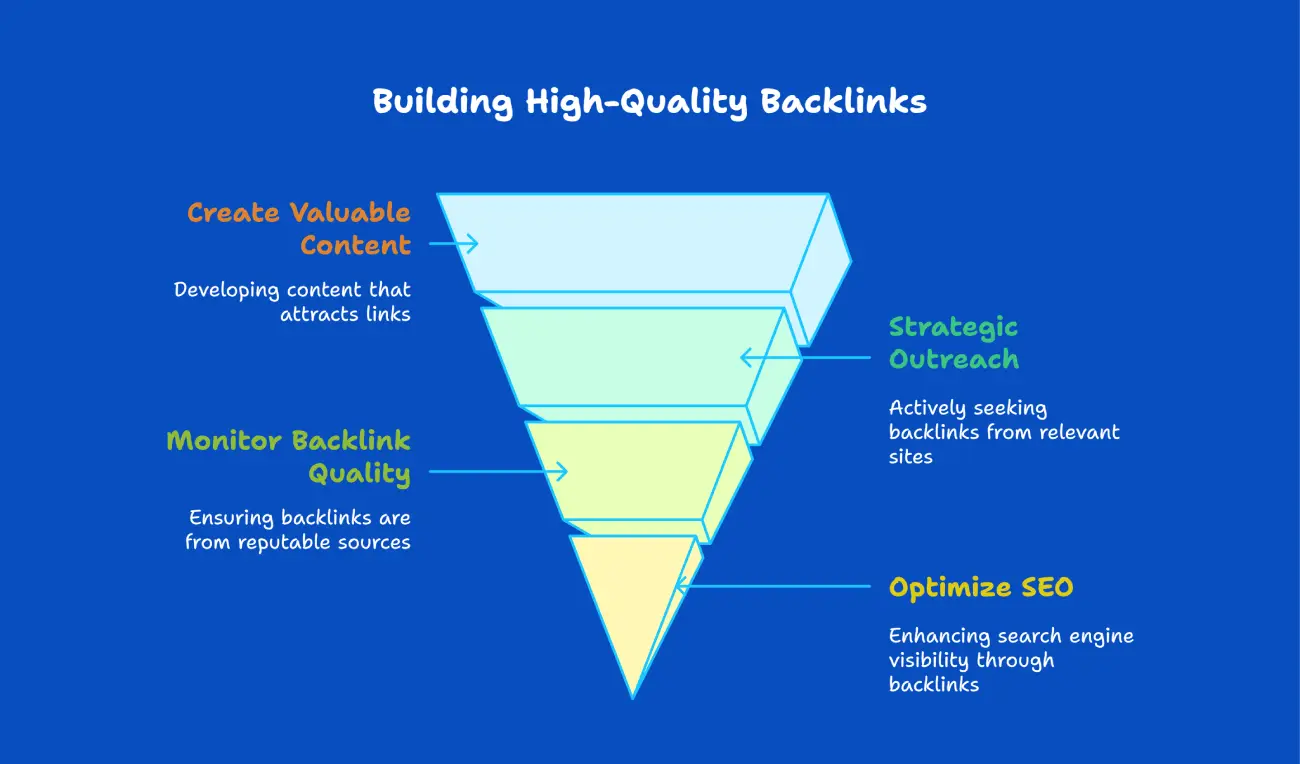
The modern approach to link building focuses on creating content and resources that others genuinely want to link to. Think exceptional products, valuable content, or unique services that actually deserve attention. Build this foundation first, then layer on strategic link building techniques to boost your site’s authority and organic traffic.
For long-term SEO success, quality, relevance, and authenticity aren’t optional—they’re essential. Focus on these principles, and you’ll build a backlink profile that actually improves your site’s reputation with both users and search engines.
How to Spot High-Quality Backlinks Google Actually Trusts
Not all backlinks you create are equal. Trust me on this one. After years of working as link building expert, I’ve learned and can share for sure what makes a link valuable can save you tons of time and effort.
How to Check If a Website Has Strong Authority for Link Building?
The authority of a website linking to you makes a huge difference in how much value you get from that backlink.
A link from a high-authority site passes way more value than one from a low-authority domain. You can check site authority using metrics like Domain Rating (DR) or Domain Authority (DA), which measure website authority on a scale of 1-100.
Higher scores mean more authoritative sites that can actually boost your link building results.
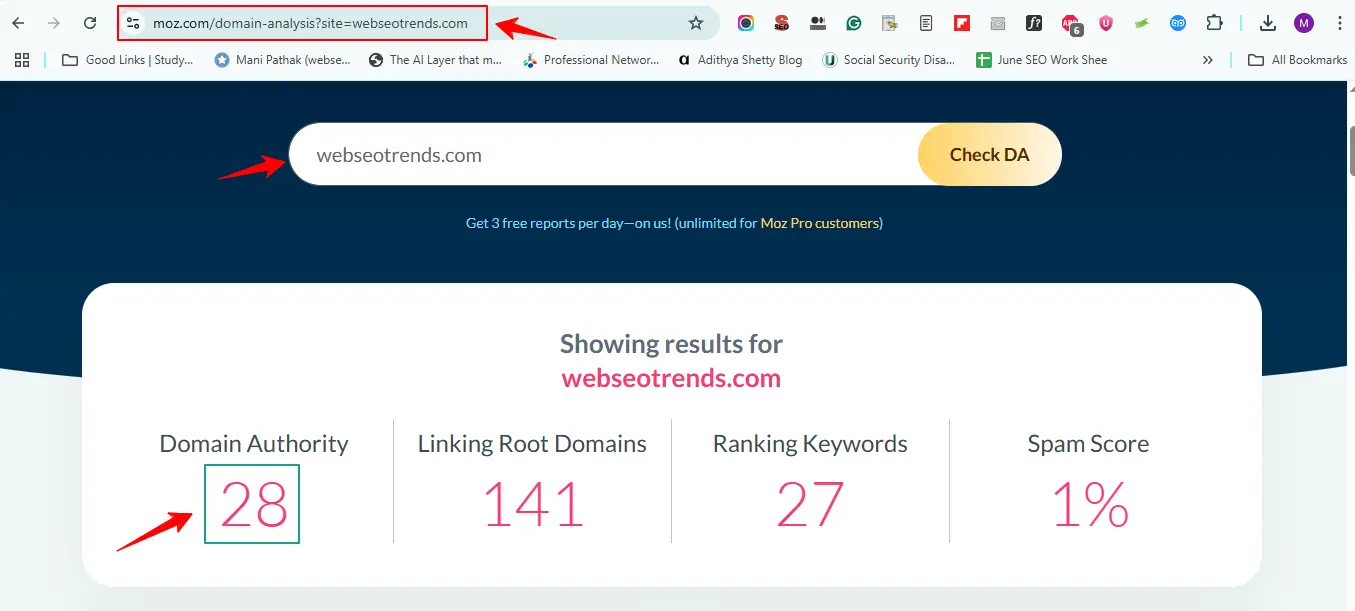
Here’s something else that matters: the authority of the specific page linking to you. Pages with fewer outgoing links pass more value to each link since they don’t spread that authority too thin.
Why Niche Relevance Matters in Link Building?
This is where a lot of people mess up.
Links from websites and pages related to your industry carry substantially more weight than random links from unrelated sources. If you run a digital marketing agency, a backlink from a marketing publication will be way more valuable than one from a plumbing website.
Search engines look at both domain and page relevance when they’re evaluating your backlinks. A natural backlink profile includes links from sites that actually make sense for your content—this helps establish your expertise in specific areas.
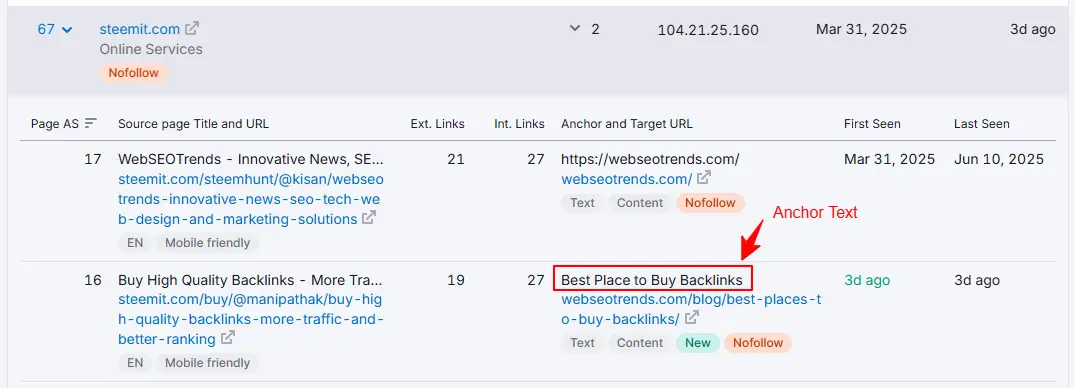
Optimizing Your Anchor Text and Where the Link Is Placed
Anchor text—the clickable text containing your link—helps search engines understand what your linked page is about.
Good anchor text should be:
- Relevant to your linked content
- Natural-sounding within the content
- Varied across your backlink profile
Where your backlinks appear in content matters too. Links in the main body content carry more value than those stuck in footers or sidebars. Links appearing higher up in the content typically pass more value than those buried at the bottom.
How Follow and Nofollow Attributes Impact Your Backlink Value
Dofollow links (standard links without special attributes) pass authority and help your SEO rankings. Nofollow links contain the rel=”nofollow” attribute, which traditionally didn’t pass authority.
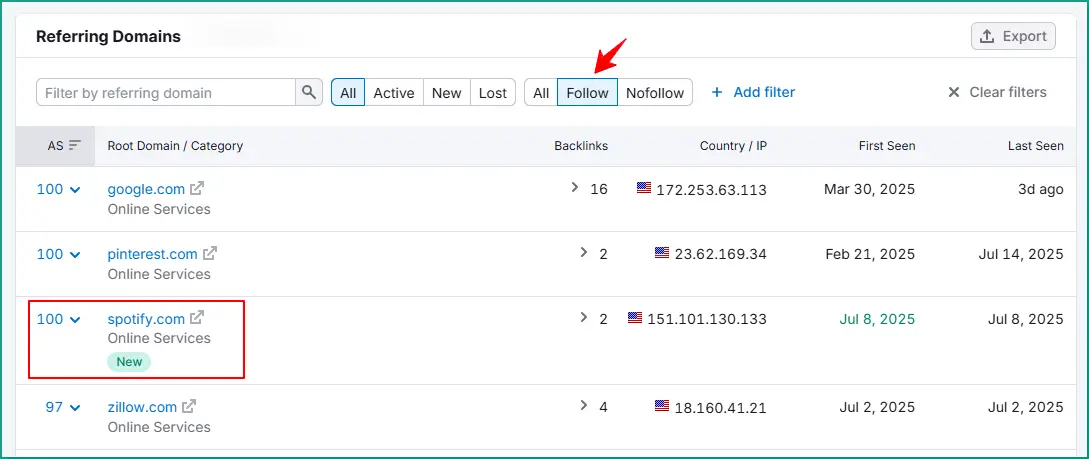
But here’s the thing: since 2019, Google treats nofollow attributes as “hints” rather than strict directives. This means some nofollow links may still contribute value based on relevance and context.
Even so, dofollow links remain more valuable for link building.
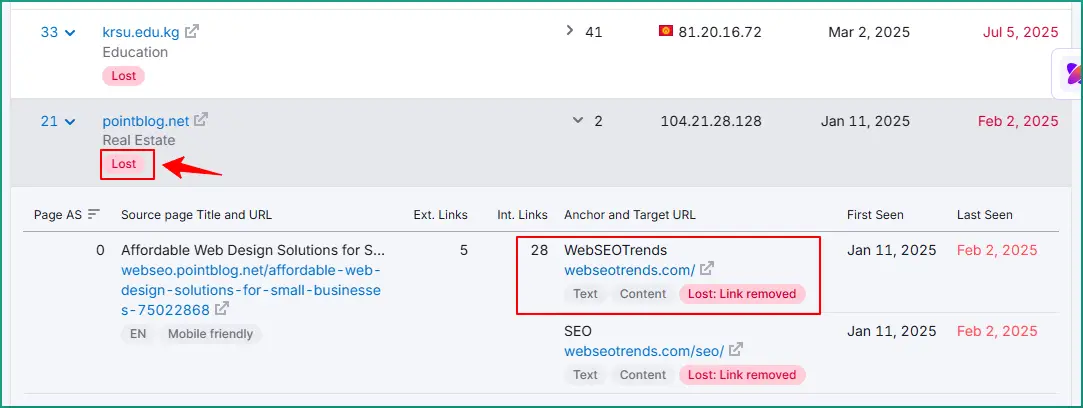
A natural backlink profile should contain both types. Having only dofollow links might actually look manipulative to search engines.
SEO Link Building Mistakes: How to Build Links That Rank
Look, I’ve seen countless websites get penalized because of link building mistakes that could have been easily avoided.
Even experienced marketers mess this up sometimes. The difference between a backlink profile that helps your rankings and one that destroys them often comes down to avoiding these critical pitfalls.

Buying links Without Proper Attributes
This one’s a big no-no, but people still do it.
Purchasing backlinks directly violates Google’s guidelines and can seriously hurt your site. Google’s algorithms (including SpamBrain) have gotten pretty good at spotting manipulated links. Sites caught buying or selling links risk having their backlinks devalued or getting completely removed from search results.
If you absolutely must use sponsored content, make sure all paid links include proper attributes like rel=”sponsored” or rel=”nofollow” to stay out of trouble. Google is crystal clear about this—they explicitly warn against “exchanging money for links or posts that contain links” in their spam policies.
Trust me, the short-term gains aren’t worth the long-term damage.
Over-optimized anchor text
Using the same exact-match keywords over and over in your anchor text is like waving a red flag at Google.
This practice screams manipulation to search engines and can trigger penalties faster than you’d think.
Neil Patel puts it well: “the keyword you are trying to rank for shouldn’t be more than 10% of your anchor text links”. Instead, you want to create a diverse link building strategy with varied anchor text:
- Mix up your keyword-rich anchors
- Use relevant phrases instead of exact matches
- Include synonyms and related terms
- Add branded anchors and natural variations
A natural anchor text distribution looks authentic because it mimics how real people would actually link to your content.
Irrelevant or spammy sources
Getting backlinks from low-quality or completely unrelated websites can seriously damage your SEO efforts.
These harmful links come from places like:
- Private Blog Networks (PBNs)
- Link farms
- Sites loaded with excessive ads
- Websites with terrible content quality
- Forums and comment sections (when used improperly)
Here’s a scary stat: research shows that 60% of websites have experienced negative SEO due to link spam. That’s why focusing on quality over quantity is absolutely critical for effective link building.
What’s particularly damaging are backlinks from websites that have nothing to do with your niche.
A natural backlink profile includes links from topically relevant sites that make sense for your industry. This helps establish your expertise and authority in specific areas, rather than looking like you’re just trying to game the system.
Top 7 Backlink Building Strategies to Boost Your Rankings Fast
Ranking higher on Google still comes down to one core factor, the quality of your backlinks. Strong, relevant, trustworthy links signal to Google that your content deserves to be seen. That’s why link building, SEO link building, and backlink building strategies remain some of the most important parts of any modern SEO campaign.
But here’s the catch, not every backlink helps your website rank. Some links are powerful authority backlinks that boost trust and rankings quickly, while others add no value, and low-quality links can even hurt your site. Understanding what link building is, how link building works in SEO, and which white hat link building techniques are safe in 2025 makes all the difference.
The good news? You don’t need complicated hacks or risky tactics. Today’s best results come from a handful of proven, effective, and genuinely high-quality link building methods that Google rewards, not penalises.
Below, you’ll find the Top 7 link building strategies that SEO professionals rely on right now. These are practical, beginner-friendly, and aligned with Google’s latest algorithm updates. Whether you’re looking for the best link building strategies, need help understanding how to build links for SEO, or want a simple system to grow authority, relevance, and rankings, these methods will help you get there faster.
Strategy 1: Guest Posting on Relevant, High-Authority Sites
Guest posting is one of my favorite link building strategies because it works. You create valuable content for other websites in your industry and get a quality backlink in return.
It’s a win-win situation when done right.

How To Find Guest Post Opportunities
The first step is building a list of relevant websites that accept guest contributions. I recommend starting with these Google search operators:
- “[your keyword]” + “write for us”
- “[your keyword]” + “guest post guidelines”
- “[your keyword]” + “become a contributor”
Another approach I use is checking where industry influencers have published guest posts. This uncovers sites that might not openly advertise guest posting opportunities but still accept quality contributions. Simply search “guest post” + “[influencer name]” to see their publishing history.
You can also analyze competitor backlinks to find potential opportunities. If your competitors are guest posting somewhere, chances are you can too.
Writing Content That Earns Links
Most guest post pitches get rejected.
Research shows that blog editors reject 79% of guest post submissions for being too promotional. So your main goal should be providing genuine value, not pushing your business.
Before you pitch anything, spend time researching each blog’s audience and tone. Read their existing content to understand what works for their readers. Check which topics get the most social shares—these insights help you craft better pitches.
When you’re writing your guest post, make sure it includes:
- Original research or unique perspectives
- Engaging storytelling that connects with readers
- Proper formatting that matches the host blog’s style
- Strategic internal links to the host’s content (this shows you’ve done your homework)
Here’s a stat that might surprise you: guest posts with contextually placed links within the content body generate up to 387% more referral traffic than those with only author bio links.
I recommend aiming for one naturally placed link within the content for standard posts.
Guest posting takes time and effort, but when you consistently contribute valuable content to relevant industry sites, you’ll build authority while earning quality backlinks that genuinely impact your SEO efforts.
Strategy 2: Broken Link Building
Broken link building is one of those strategies that actually helps everyone involved. You find dead links on other websites and offer your content as a replacement—it’s a win-win situation.
Pages with more outbound links are much more likely to have broken ones. A page with 187 outbound links is 38x more likely to have broken links than one with just 5 links.
So where do you find these goldmines?
Start with resource pages using these Google search operators:
- ‘[your keyword]’ + inurl:resources
- ‘[your keyword]’ + intitle:links
- ‘[your keyword]’ + ‘helpful resources’
Wikipedia is another excellent source for broken link opportunities. Try this search: site:wikipedia.org ‘[keyword]’ intext:’dead link’ to find pages with broken external links.
Once you spot a broken link, here’s a pro tip: analyze its backlink profile using tools like Ahrefs or Semrush. This shows you everyone else linking to that dead page, which means more outreach opportunities.
Pitching your content as a replacement
Forget those outdated emails claiming you “stumbled upon” broken links. Website owners see right through that nonsense.
Keep your outreach simple and honest:
- Point out exactly where the broken link appears on their page
- Suggest your content as a relevant replacement
- Offer something extra (like sharing their content with your audience)
I recommend creating content specifically designed to replace the broken resource. Don’t just copy what was there before—use it as inspiration to create something better and more current.
The key is offering a 1:1 replacement that makes the decision easy for site owners. Even better? Point out multiple broken links in your email. It provides more value and improves your response rates.
Strategy 3: Digital PR and Newsworthy Content
Digital PR is one of those link building strategies that can really pay off when done right. Instead of chasing individual site owners for links, you’re creating stories that journalists and publishers actually want to cover.
The best part? When a major publication picks up your story, you often get multiple backlinks from other sites that reference the original coverage.

Creating stories that attract media
Here’s the thing about getting media attention: journalists get tons of pitches every day. You need something genuinely interesting to stand out.
Data-driven content works really well for this. In fact, 61% of journalists specifically ask for original research and reports from PR professionals.
If you want to create content that media outlets will actually cover, focus on these elements:
- Original research and surveys: Conduct studies that reveal new insights about your industry
- Surprising findings: Include data points that challenge common assumptions
- Broad impact: Show how your findings affect a large audience, not just your niche
- Visual storytelling: Create infographics or charts that make your data easy to understand and share
When you’re pitching your story, remember that newsworthy content combines solid data with clear visuals that tell a compelling story. Don’t make it all about your brand—focus on the value you’re providing to their readers.
I’ve seen too many digital PR campaigns fail because they’re basically disguised ads. Journalists can spot that from a mile away.
HARO & Journalist Outreach
HARO (Help a Reporter Out) has become one of my favorite link building strategies. It’s a platform where journalists post queries asking for expert sources, and you can respond with your insights.
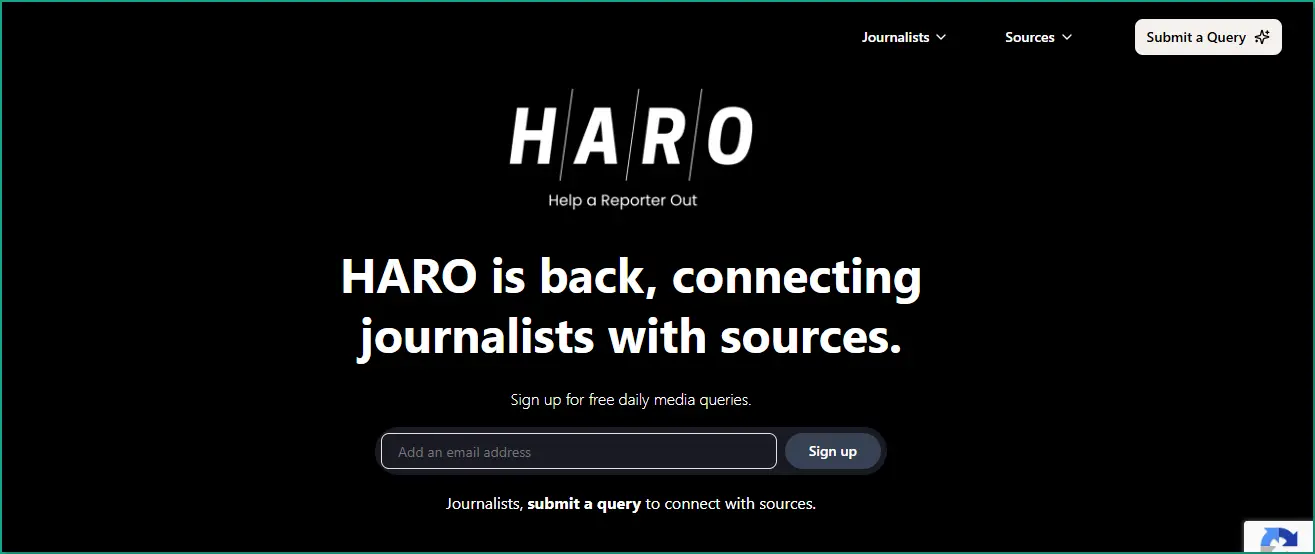
The quality of opportunities on HARO is pretty impressive. You can potentially get backlinks from major publications like Forbes, The New York Times, The Wall Street Journal, and Mashable.
Research shows that about 68% of HARO queries come from sites with a domain rating of 50 or higher. That’s the kind of authority you want linking to your site.
Here’s what works for successful HARO responses:
- Write a compelling subject line (keep it around 70 characters)
- Lead with your credentials and expertise right away
- Give specific, factual answers with actual numbers instead of vague statements
- Offer to promote their article on your social channels
Speed matters a lot with HARO. Journalists often go with the first good response they receive, so check your email regularly when you’re actively using the platform.
What I like about digital PR is that it creates link building opportunities that your competitors can’t easily copy while also building your brand’s authority in the process.
Strategy 4: Creating Linkable Assets (Guides, Tools, Statistics Pages)
One of the smartest approaches to link building is creating content that people want to link to. These assets work like magnets, attracting backlinks naturally without you having to chase after every single opportunity.

Infographics and visual content
I’ve seen firsthand how well infographics work for link building. They take complicated information and turn it into something people can actually understand and share.
Here’s the thing: infographics get shared 3x more than other types of content. When you think about it, that makes perfect sense. People love visuals, especially when they explain data or compare different concepts.
To get the most out of your infographics:
- Always include embed codes with attribution links
- Make sure your design quality beats what’s already out there
- Share them in infographic directories and reach out to relevant sites
The beauty of a well-designed infographic is that bloggers and journalists can use it to enhance their own content while naturally linking back to your site. It’s a win-win situation.
Original research and data studies
If you want to create content that attracts backlinks like crazy, original research is your best bet. SEO PowerSuite found that data-driven content beats every other format when it comes to earning links.
Why does original research work so well?
Simple. It gives other content creators the data they need to back up their points. Instead of making claims without proof, they can reference your study and link to it as their source.
Plus, news sites love original research because it gives them ready-made stories they can cover without doing the legwork themselves.
Here’s my advice: publish your research as blog posts rather than hiding them behind PDF downloads. Studies with larger sample sizes tend to perform better too, since they carry more weight and credibility.
Free tools and calculators
Some of the most successful link building assets I’ve seen are simple, free tools that solve specific problems. These keep generating backlinks for years after you create them.
The key is focusing on one particular problem your audience faces. Think simple calculators that answer questions like “How much should I budget for this project?” or “What’s my potential ROI?”
Tools work because of reciprocity—when you give people something valuable for free, they naturally want to give something back. Often, that something is a link to your tool.
The best part? Once you build a useful tool, it becomes a passive link building machine that works for you around the clock.
Strategy 5: Reclaiming Lost and Unlinked Mentions
This one’s honestly one of my favorite link building tactics because it feels like finding free money.
Unlinked mentions are instances where websites talk about your brand, products, or team members but forget to actually link back to your site. Unlike the other strategies we’ve covered, this link building strategy is about claiming what’s already yours.

Tracking brand mentions without links
You’ll need to set up some monitoring to catch these opportunities as they happen. Right now, unlinked mentions rank as the fourth most commonly used link building tactic among professionals.
Here are the tools I recommend for tracking these mentions:
- Google Alerts: It’s free and sends you email notifications whenever your keywords show up online. Set up alerts for your brand name, products, services, and even your team members’ names.
- Talkwalker: This one has better filtering options than Google Alerts, making it more effective for thorough brand monitoring.
- BuzzStream: You can build outreach lists through Google search and it automatically checks pages for mentions of your site.
- Ahrefs/SEMrush: Both these premium tools have brand monitoring features that catch mentions across the web.
Don’t forget to check for unattributed use of your images through Google Image Search. I’ve found that websites often use visuals without proper attribution, which is another opportunity to get a link.
Reaching out to request a backlink
Timing is everything here.
You’ll want to contact site owners within 24-48 hours after an unlinked mention appears. The content is still fresh in their minds, which dramatically increases your chances of getting that backlink.
Before you send any emails, check each site for these quality metrics:
- Authority: I focus mainly on sites with Domain Authority of 30 or higher
- Relevance: Make sure the site actually relates to your industry
- Content quality: Does the site follow Google’s Helpful Content guidelines?
When you’re writing your outreach emails:
- Keep them short and friendly
- Thank them for the mention first
- Point out exactly where the unlinked mention appears
- Politely ask them to add a hyperlink
- Explain how the link helps their readers get more information
Even if some links end up being nofollow, they’re still valuable for driving traffic to your site, especially from high-traffic publications.
The response rates on these emails are usually pretty good since you’re not asking for anything new—just completing something they already started.
Strategy 6: Social Profiles, Web 2.0s & Brand Mentions (A Foundational Link Building Strategy)
Before you chase high-authority backlinks, you need a strong brand authority foundation across the web. That’s exactly what social profiles, Web 2.0 properties, and brand mentions help you build.
These links don’t send massive ranking power individually, but together they make your backlink profile look natural, relevant, and trustworthy — something Google heavily prioritizes in 2025’s SEO landscape.
Think of this as “Phase 1 Link Building” — it sets the stage for all the stronger backlinks you’ll build later.
Why These Links Still Matter in 2025
Google wants to understand:
- Who your brand is
- What niche you belong to
- How credible and consistent your digital presence is
- Whether other platforms recognize your business
Social profiles, Web 2.0s, and brand mentions help Google connect these dots, strengthening your entity SEO, trust signals, and link building success.
These links are:
- Safe
- Evergreen
- Natural
- Algorithm-friendly
- Perfect for new websites or fresh SEO campaigns
How to Build Social Profiles, Web 2.0s & Brand Mentions (Step-by-Step Guide)
Step 1: Create and Optimize Your Social Profiles
Start with major platforms where Google expects a real business to exist:
- Facebook Page
- LinkedIn Company Page
- Twitter/X
- YouTube
- Quora
How to optimize each profile (important for authority):
- Use the same brand logo, colors, and visuals
- Keep your business name consistent everywhere
- Add a short SEO-friendly bio
- Include your website link
- Add NAP (Name, Address, Phone) if you’re a local business
Google uses these signals to verify your brand identity and improve your site’s E-E-A-T (Experience, Expertise, Authoritativeness, Trustworthiness).
Step 2: Build High-Quality Web 2.0 Mini-Sites
Web 2.0s help you create supporting content around your main topics. These properties act as “content satellites” that strengthen your topical authority.
Create accounts on:
- substack.com
- Medium
- WordPress.com
- Blogger
- Tumblr
- Wix
- Weebly
- Strikingly
How to make your Web 2.0s look natural (and not spammy):
- Publish 2–4 helpful articles, not promotional content
- Use internal links inside each Web 2.0
- Add 1 natural link to your main site (not forced)
- Include images, formatting, and proper structure
- Update them every 2–3 months
Web 2.0s build supporting authority and help create a natural link graph around your brand.
Step 3: Strengthen Your Online Presence With Brand Profiles
These aren’t traditional backlinks, but they help build a stronger brand footprint, which boosts your authority in Google’s eyes.
Create or update profiles on:
- Crunchbase
- About.me
- Product Hunt
- ORCID
- GitHub (if relevant)
- Behance / Dribbble (for creatives)
- Slideshare / Yumpu
Even if many of these use nofollow links, they influence brand trust and are valuable for entity SEO.
Step 4: Generate Natural Brand Mentions (Even Without Backlinks)
Google recognizes and values mentions of your brand name across the web — even if they’re not linked.
You can earn natural brand mentions by:
- Sharing helpful insights on Reddit
- Answering niche questions on Quora
- Contributing comments on authoritative blogs
- Joining conversations in forums within your niche
- Collaborating with bloggers or influencers
- Getting quoted in industry roundups
- Responding to journalist queries on HARO / Qwoted
These mentions help Google associate your brand with your niche, increasing your domain’s trust and relevance.
Step 5: Use These Properties to Support Your Entire Link Building Strategy
Once your brand foundation is in place:
- Your guest post outreach gets better acceptance
- Your editorial backlinks land more easily
- Your niche edits look natural
- Your paid or organic backlinks appear authentic
- Google can authenticate your business faster
This is why professional SEOs and agencies never skip this step — it makes all future link building more effective, stable, and algorithm-safe.
SEO Summary (for clarity and scanning):
Social profiles, Web 2.0s, and brand mentions build trust, strengthen entity signals, and help your site appear credible to Google. They lay the foundation for high-quality link building and play a major role in SEO success.
Strengthen Everything With Consistent Brand Signals (Your Ongoing Authority Booster)
DIY vs Outsource Link Building: What Works Best?
Should you handle link building in-house or hire someone else to do it?
It’s one of the most common questions I get, and honestly, the answer depends on your specific situation, budget, and goals.
Let me break down the real costs so you can make an informed decision.
The money side of things
Hiring an experienced link building specialist costs between $60,000 to $120,000 annually. But that’s just their salary.
Once you add benefits, office space, and all the SEO tools they’ll need, you’re looking at around $90,000-100,000 per year. That’s a pretty significant investment, especially for smaller businesses.
Outsource link building services, on the other hand, typically run $2,000 to $10,000 monthly depending on what you need. No overhead costs, no benefits to worry about—just results.
Here’s something interesting: research shows that 73.5% of link builders generate fewer than 10 links per month. So if your in-house person delivers around 120 links yearly, you’re paying roughly $667 per link.
Despite these numbers, 68.9% of businesses still prefer doing link building in-house versus 31.1% who outsource. This preference is strongest among agencies and freelancers who already know link building inside and out.
What you get with outsourcing
The biggest advantage? Instant access to established relationships with high-authority websites.
Professional link building services have connections across multiple industries that took years to build. They also come with proven outreach processes and tool stacks that would take you months or years to develop internally.
The downside of letting go
When you outsource your link building strategy, you’re giving up some control. External providers might not fully capture your brand voice, which can create communication challenges.
Even worse, if you don’t vet providers carefully, some might deliver low-quality backlinks that actually hurt your SEO.
My take on this
Startups and small businesses usually benefit from outsourcing due to budget constraints. But if you’re an established company with a dedicated marketing team and brand consistency is crucial, managing link building internally might make more sense.
The key is being honest about your resources, expertise, and priorities.
What Are the Best Link Building Tools for SEO?
The right tools can make or break your link building efforts.
With AI search engines like ChatGPT and Google’s AI Overviews changing the game, having solid link building tools in your arsenal is more important than ever.
- Semrush is pretty much the Swiss Army knife of SEO platforms. Once you connect your email account, you can analyze opportunities and launch outreach campaigns without switching between different tools. At $139-$499 monthly, it’s not cheap, but you’re getting competitive analysis and link building outreach all in one package.
- Ahrefs has one of the most impressive databases out there—we’re talking about 475.8 billion indexed pages and 28.9 trillion internal backlinks. Their web crawler is second only to Google and Bing, which means you’re getting access to fresh, comprehensive data. The Content Explorer feature is particularly useful for finding unlinked brand mentions that you can turn into actual backlinks.
- Pitchbox: If you’re serious about outreach, it might be worth the investment.Their personalization features and automated follow-ups can boost your response rates by up to 40%. That’s a pretty significant improvement when you’re sending dozens of emails.
- HARO (Help a Reporter Out) remains one of my favorite platforms for earning high-authority backlinks from major publications. The best part? It connects you directly with journalists who are actively looking for expert sources.
Don’t overlook the free options either. Google’s advanced search operators can help you find resource pages and link building prospects without spending a dime. Sometimes the simplest tools are the most effective.
The key is choosing tools that match your budget and workflow. You don’t need every tool on the market—just the ones that help you work more efficiently.
Here are some of the top tools used by SEO professionals today:
Link building is a vital part of any successful SEO strategy, but managing and tracking backlinks can be complex without the right tools. Fortunately, several effective link building tools help streamline the process, improve outreach, and analyze link quality.
1. Ahrefs
Ahrefs is renowned for its extensive backlink database and powerful site explorer. It enables users to analyze competitor backlinks, identify link opportunities, and monitor new and lost backlinks in real-time. Its intuitive interface makes link analysis straightforward and actionable.
2. SEMrush
SEMrush offers a comprehensive backlink audit tool that helps detect toxic links and maintain a healthy backlink profile. It also features outreach management capabilities, allowing users to organize and automate outreach campaigns efficiently.
3. Moz Link Explorer
Moz’s Link Explorer is excellent for discovering link building opportunities by analyzing domain authority and link profiles. It provides insights into anchor text distribution and spam scores, helping to prioritize high-quality link targets.
4. BuzzStream
BuzzStream is designed for outreach management and relationship building. It organizes contacts, tracks conversations, and automates follow-ups, which saves time during link building campaigns and increases success rates.
5. Hunter.io
Hunter.io specializes in finding email addresses associated with websites, simplifying the outreach process. Accurate contact information is crucial for personalized link requests and partnerships.
Using these tools can significantly enhance your link building efforts, making it easier to find relevant opportunities, build relationships, and improve your website’s authority and search rankings.
Mani Pathak – High-Authority Link Building Specialist
When it comes to link building, having the right specialist can make all the difference—and Mani Pathak has built quite a reputation in this space.
As the founder of Webseotrends, Mani Pathak has become known as one of India’s leading SEO experts, particularly for his strategic approach to acquiring high-quality backlinks.
What I like about Pathak’s approach is that his link building expertise goes beyond just technical SEO. He combines that technical knowledge with solid content marketing skills, which helps him secure backlinks that actually move the needle on search rankings.
Here’s what sets his link building services apart: he sticks to white hat link building techniques that follow search engine guidelines. Instead of chasing quick wins that might backfire, his link building strategy focuses on contextual relevance and domain authority for sustainable results.
Through Webseotrends, Pathak offers link building packages designed for businesses looking to grow their organic search presence. His clients get the benefit of his established relationships with high-authority websites across different industries.
If you’re looking to outsource link building, Pathak provides both direct consultation and white label link building services. This setup lets agencies expand their capabilities without having to hire and train new team members.
It’s this flexibility that has made him a go-to partner for both direct clients and marketing agencies that need specialized SEO link building expertise.
Webseotrends: Your Trusted White Label Link Building Company
If you’re running an agency and looking to expand your link building capabilities without the hassle of hiring specialists, white label solutions might be exactly what you need.
White Label Link Building Services
Webseotrends works as your behind-the-scenes partner, delivering quality backlinks that you can present under your own brand.
Here’s how it works: your agency keeps the client relationships while their team handles the actual link building work. They provide regular reports showing metrics like domain authority and placement details, plus they’ll sign NDAs to protect your client relationships.
The cost savings can be pretty significant—agencies typically save up to 3X on link building costs compared to building an in-house team.
Manual Link Building Service: Quality Backlink building, Real Results
Unlike those automated approaches that can get you in trouble, manual link building focuses on building real relationships with authoritative websites.
Their process includes thorough industry research, detailed link audits, personalized outreach, and quality content creation. Instead of blasting out mass emails, they take time to create genuine connections with site owners.
The manual link building service gives you several key advantages:
- Higher-quality backlinks from trusted sources
- Better control over anchor text distribution
- More relevant placements that make sense
- Sustainable growth in website authority and organic traffic
Most importantly, you avoid the potential Google penalties that come with automated techniques. It’s the difference between building something that lasts versus taking shortcuts that might backfire later.
How Much Does Link Building Cost?
Let’s talk money, because I understand link building costs is pretty important before you dive in.
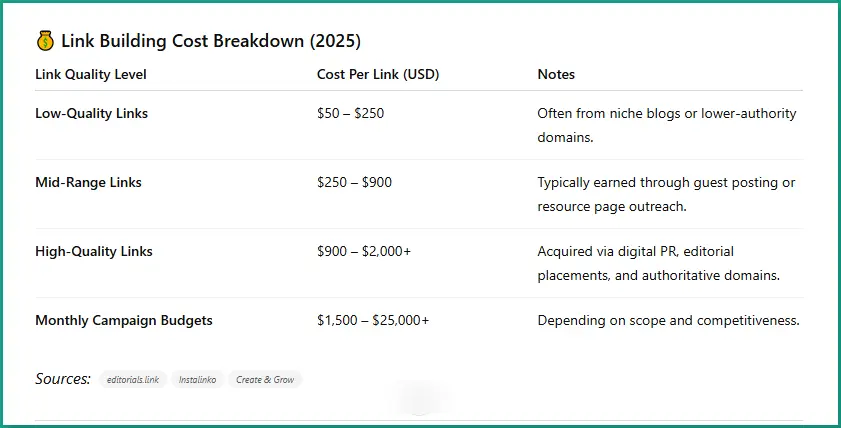
Research shows that SEO professionals consider $508.95 as the sweet spot for a single high-quality backlink. But honestly, the range is all over the place.
Link building services can cost anywhere from $100 to over $1,500 per link. It really depends on what you’re after and how competitive your industry is.
If you’re in legal, finance, or gambling, expect to pay $800-$1,000+ for quality links. These industries are brutal when it comes to competition.
On the flip side, if you’re in a less competitive niche—think hobbyist sites—you might snag links for under $100. Lucky you!
Most businesses I’ve seen spend between $3,000 to $25,000 monthly on link building campaigns. That’s a pretty wide range, but it gives you an idea of what serious link building looks like.
Here’s how many vendors price things: they use domain metrics as benchmarks. A backlink from a website with Domain Rating (DR) 50+ typically runs around $600.
Guest posts average about $220, but high-quality placements can hit $609. Link insertions are cheaper at around $141.
Thinking about doing link building in-house?
Be ready to invest around $177,000 annually for a complete team. That includes specialist salaries ($53,000-$98,000) plus benefits that multiply costs by 1.4 times.
Here’s the kicker: 80.9% of SEO professionals think link building will get more expensive in the coming years.
So yeah, quality link building isn’t cheap. But when you consider that backlinks are one of Google’s top ranking factors, it’s an investment that can pay off big time.
Wrapping up (Backlink Building)
Link building remains one of the most effective ways to boost your search rankings, even as SEO continues to evolve.
I’ve walked you through five proven strategies that actually work—from guest posting to reclaiming unlinked mentions. But here’s the thing: you don’t need to implement all of them at once.
Pick one or two strategies that align with your resources and goals. Maybe start with reclaiming unlinked mentions since that’s often the easiest win, then move into guest posting once you get comfortable with outreach.
The biggest mistake I see people make? Expecting immediate results.
Link building is a long-term game. You might not see significant ranking improvements for 3-6 months, and that’s completely normal. The websites that consistently rank well have been building their backlink profiles for years, not weeks.
Quality beats quantity every single time. I’d rather have 10 high-authority, relevant backlinks than 100 random ones from questionable sites. Google’s gotten pretty good at spotting manipulative link schemes, so focus on earning links the right way.
Whether you decide to handle link building yourself or outsource backlink building, it depends on your situation. If you’re just starting out or have limited resources, outsourcing might make sense. But if you want full control and have the time to learn, doing it in-house can be incredibly rewarding.
Keep track of your progress with tools like Google Search Console. Watch for improvements in your target keywords, organic traffic, and overall domain authority. Sometimes the wins come in unexpected places.
Most importantly, remember that link building is really about building relationships and creating value. The best backlinks come naturally when you produce content and resources that people genuinely want to reference and share.
Frequently Asked Questions (FAQs) About Link Building For SEO
What is link building and why is it important for SEO?
Link building is the process of acquiring hyperlinks from other websites to your own. It’s crucial for SEO because search engines like Google use these links to determine a site’s authority and relevance, which directly impacts search rankings.
How can I identify high-quality backlinks?
High-quality backlinks come from authoritative and relevant websites in your niche. Look for links from sites with high domain authority, contextual relevance, and natural anchor text placement. Also, prioritize dofollow links over nofollow links for SEO benefits.
What are some effective link building strategies?
Effective link building strategies include guest posting on relevant sites, broken link building, digital PR and creating newsworthy content, developing linkable assets like infographics or tools, and reclaiming unlinked brand mentions.
Is it better to handle link building in-house or outsource it?
The decision depends on your resources and expertise. In-house link building offers more control but requires significant time and skill. Outsourcing can be more cost-effective and provide access to established networks, but may lack brand familiarity.
How much does link building typically cost?
Link building costs vary widely based on quality and volume. On average, a high-quality backlink can cost between $100 to $1500, with most campaign budgets ranging from $3000 to $25000 monthly. In-house teams may cost around $90,000-$100,000 annually.