
SEMrush Review: Strengths, Weaknesses & Who It’s Best For

Are you trying to improve your website’s Google rankings? If so, you’ve probably heard of Semrush, one of the most popular SEO tools trusted by marketers, bloggers, and business owners worldwide. But before investing your time and money, it’s fair to ask: Is Semrush really worth it?

In this honest Semrush review, I will share my personal experience using the tool, explore what makes it stand out, and show how we can use it to improve our SEO performance. Together, we’ll find out if Semrush is really the right fit for your goals.

Semrush isn’t just another keyword tracker. It’s a complete SEO and digital marketing toolkit that helps you research competitors, track rankings, manage content, and create detailed SEO reports — all in one dashboard. From keyword research and backlink analysis to Semrush projects and site audits, every feature is designed to help you understand how your website performs and how to beat your competition.

If you’ve been wondering what is Semrush or what does Semrush do, this guide will make everything clear. You’ll also learn about Semrush features, pricing, accuracy, and a few insider tips on how to use it effectively.

By the end, you’ll know whether Semrush is the right choice for your SEO strategy — and how it can make your online growth faster, smarter, and easier.

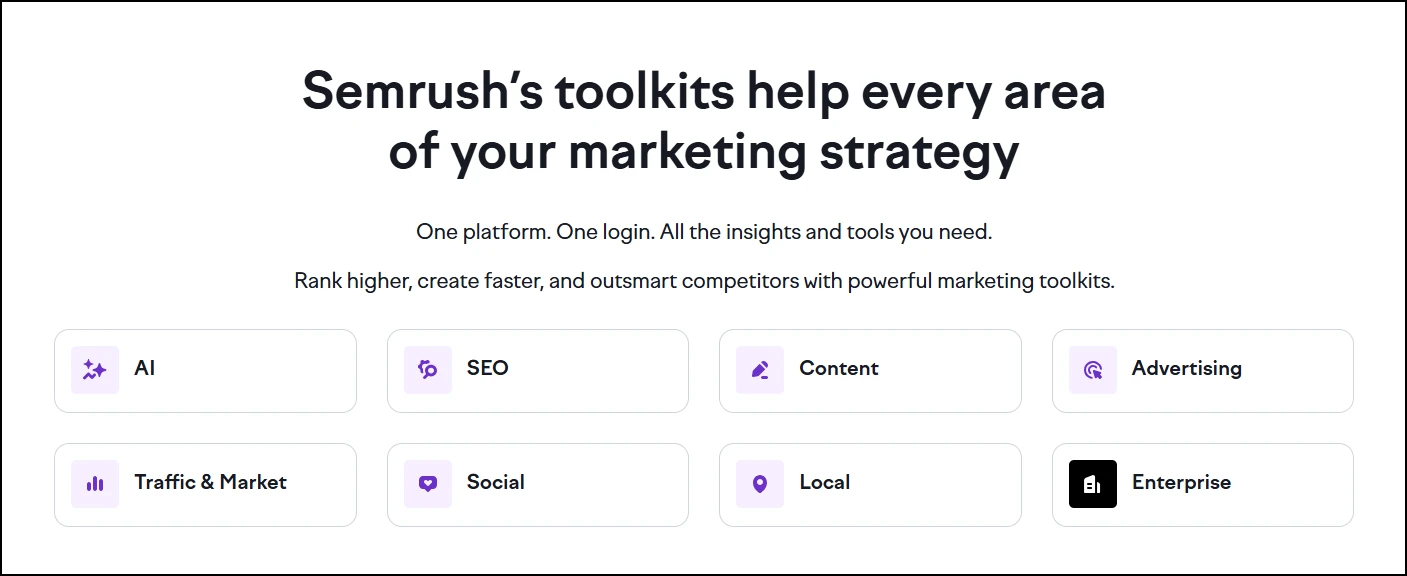
Semrush Toolkits – Powerful tools for SEO, AI search, content marketing, and competitor analysis

Affiliate Disclaimer: This article contains affiliate links. That means if you click on a link and make a purchase, I may earn a small commission at no extra cost to you. I only recommend tools and services that I’ve personally used and found valuable. Your support helps me keep creating honest reviews and helpful content. Thank you for your trust!

What Is Semrush and What Does It Do?

If you’ve ever tried to grow your website traffic or improve your Google rankings, you’ve probably heard of Semrush. It’s an all-in-one SEO and digital marketing tool that helps us analyze websites, find profitable keywords, study competitors, and track performance — all in one place.

Whether you’re a blogger, marketer, or business owner, Semrush makes SEO easier by giving you real-time data and insights to make smarter marketing decisions.

What Is Semrush Used For?

We use Semrush for almost everything related to SEO and online visibility. From researching what keywords your competitors rank for to finding backlink opportunities, this platform does it all.

Here’s what most people use Semrush for:

  • Keyword Research: Find high-traffic, low-competition keywords.

  • Competitor Analysis: See what’s working for others in your niche.

  • Site Audits: Fix SEO errors that affect rankings.

  • Backlink Building: Discover quality link opportunities.

  • Rank Tracking: Monitor your position on Google and track changes.

  • Content Optimization: Identify content gaps and improve readability and engagement.

As a content creator or SEO marketer, I personally find Semrush incredibly useful for understanding audience intent and creating SEO-optimized blog posts that actually rank.

How Does the Semrush SEO Tool Work?

Semrush works by crawling the web just like Google does — collecting billions of data points from websites, keywords, and backlinks. When we enter a keyword or domain, Semrush uses its massive database to show us:

  • How that keyword performs in search engines

  • Which websites are ranking for it

  • What backlinks support their rankings

  • And how we can compete more effectively

It’s like having a full digital marketing research team working behind the scenes for us. With one dashboard, we can manage SEO, PPC campaigns, content marketing, and social media performance all together.

Why Businesses and Bloggers Trust Semrush

There’s a reason Semrush is trusted by over 10 million users worldwide — including big brands and small bloggers like me.

Here’s why:

  • Accurate and Real-Time Data: Semrush gives us fresh insights that help make better marketing decisions.

  • All-in-One Platform: No need to juggle multiple tools for SEO, backlinks, and content marketing.

  • Proven Track Record: Trusted by companies like Tesla, Samsung, and Forbes.

  • Actionable Reports: We can easily share visual reports with clients or teams.

In short, businesses and bloggers trust Semrush because it helps them grow traffic faster, optimize better, and outperform competitors — all with clear, data-driven insights.

Semrush vs. Competitors

With so many SEO tools in the market, it’s natural to wonder how Semrush compares to other big names like Ahrefs, Moz, and Ubersuggest. While all these tools help with keyword research, backlink tracking, and SEO analysis, they each have their own strengths. Let’s see how they stack up against each other.

Semrush vs. Ahrefs
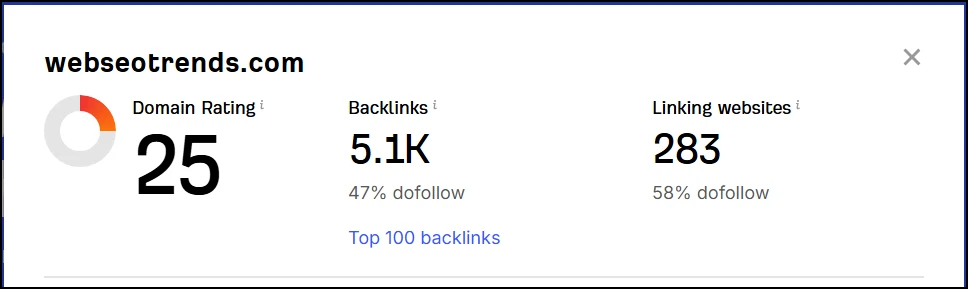
Ahref
Ahref

When comparing Semrush vs Ahrefs, both are industry leaders — but they serve slightly different audiences.

  • Semrush offers a complete digital marketing suite with features like PPC data, content marketing tools, and competitor insights.

  • Ahrefs, on the other hand, is known for its powerful backlink analysis and simpler interface focused primarily on SEO.

If you want an all-in-one marketing solution, Semrush is the better choice. But if you’re mainly focused on link building and backlink data, Ahrefs might feel more intuitive.

FeatureSemrushAhrefs
Keyword Research✔️ In-depth with global volume & intent✔️ Accurate keyword data
Backlink Analysis✅ Strong, plus link outreach tools✅ Industry-leading link index
Site Audit Tool✔️ Comprehensive with detailed SEO health score✔️ Strong but less visual
Content Marketing Tools✅ Yes, with SEO Writing Assistant❌ Limited
PPC & Advertising Data✅ Included❌ Not available
Ease of UseModerate learning curveVery user-friendly
Best ForComplete SEO & marketing strategyBacklink-focused SEO professionals

Semrush vs. Moz

In the Semrush vs Moz comparison, Semrush clearly provides a broader toolkit.
Moz is ideal for beginners who need basic keyword tracking and domain authority metrics, while Semrush delivers more advanced SEO analysis, site audits, and competitive intelligence.

FeatureSemrushMoz
Keyword Research✅ Comprehensive with keyword intent✅ Simple and beginner-friendly
SEO Reports & Tracking✅ Automated and customizable⚠️ Limited data visualization
Backlink Tools✅ Extensive link database⚠️ Smaller link index
Rank Tracking✅ Daily updates⚠️ Weekly updates only
Content Optimization✅ Advanced (SEO Writing Assistant)❌ Not available
Pricing💲 Starts higher but offers more tools💲 More affordable for starters
Best ForAgencies and marketing teamsBeginners and small businesses

If you’re just starting out, Moz is great for simplicity. But for professionals needing detailed SEO insights and advanced reportsSemrush is the stronger pick.

Semrush vs. Ubersuggest

When it comes to Semrush vs Ubersuggest, the key difference is in data depth and scalability.
Ubersuggest by Neil Patel is affordable and user-friendly, making it a great tool for beginners or small businesses. Semrush, however, offers enterprise-level accuracy, larger keyword databases, and integration with PPC, social media, and content marketing tools.

FeatureSemrushUbersuggest
Keyword Research✅ Advanced with intent & competition metrics✅ Basic keyword data
SEO Audit✅ Comprehensive with crawl depth⚠️ Good but limited
Backlink Data✅ Massive live database⚠️ Smaller link index
User Interface⚙️ Professional-grade😊 Beginner-friendly
Reports & Insights✅ Advanced analytics and export options⚠️ Basic summaries
Pricing💲 Premium plans for agencies💲 Affordable for individuals
Best ForProfessionals and agenciesFreelancers and small site owners

If you’re managing multiple websites or running an SEO agency, Semrush is a better long-term investment. For smaller budgets or quick research, Ubersuggest does a decent job.

All four tools — Semrush, Ahrefs, Moz, and Ubersuggest — can improve your SEO strategy. But Semrush stands out as the most complete solution, offering advanced features for keyword research, backlink tracking, site audits, and SEO reports under one platform.

If you’re looking for a data-rich, all-in-one SEO tool that grows with your business, Semrush remains the best choice in 2025.
Semrush stands out as an all-in-one SEO and digital marketing platform designed to simplify every part of your online growth. From deep SEO analysis to content strategy and link building, it offers everything you need to boost visibility, drive organic traffic, and stay ahead of your competitors. Whether you’re a beginner or an experienced marketer, Semrush features give you complete control over your SEO performance.


Semrush Features

Here’s a quick look at what the Semrush SEO tool includes:

  • Keyword Research and Competitor Analysis

  • SEO Audit and Rank Tracking

  • Backlink and Link Building Tools

  • Content Marketing and Keyword Gap Insights

  • Traffic Analytics and Domain Overview

  • On-Page SEO and Site Health Monitoring

  • Social Media Management and PPC Data

Each feature is designed to give you actionable data, helping you make smarter SEO decisions and improve your rankings faster.


Semrush SEO Analysis Tool Explained

The Semrush SEO analysis tool is where most users start. It provides an in-depth overview of your website’s performance — from technical issues to keyword rankings. You can quickly spot errors that affect SEO, track visibility across search engines, and compare your site’s authority against competitors.

With clear SEO reports, Semrush helps you identify which pages need optimization and where you can gain quick wins. It’s like having a digital SEO consultant available 24/7.


Keyword Research and Competitor Analysis

One of the strongest Semrush features is its Keyword Research Toolkit. You can find profitable keywords, check search volumes, identify trends, and analyze keyword difficulty.

The Competitor Analysis section shows which keywords your rivals are ranking for, helping you uncover content gaps and new growth opportunities. Whether you’re creating blog posts or planning PPC ads, this feature ensures you always target the right keywords for maximum ROI.


Site Audit, Rank Tracking, and SEO Reports

The Site Audit tool scans your entire website for SEO issues like broken links, slow loading pages, and missing meta tags. It then gives you easy-to-follow recommendations to improve site health.

With Rank Tracking, you can monitor how your keywords perform daily across devices and locations. You’ll receive automatic SEO reports that help you measure progress and show results to clients or team members.

These tools make it easier to maintain strong rankings and catch problems before they affect your visibility.


Semrush Link Building Tools

Backlinks still play a major role in SEO — and Semrush link building tools make the process much easier. You can discover new link opportunities, track backlinks you’ve earned, and even monitor your competitors’ link strategies.

The tool also helps you reach out to potential sites for collaborations and guest posts, streamlining your off-page SEO efforts. This feature is perfect for growing domain authority safely and effectively.


Content Marketing and Keyword Gap Insights

If content is the backbone of SEO, Semrush is the engine that drives it. The Content Marketing Toolkit helps you create data-driven content strategies, analyze your existing content, and find keyword gaps between you and your competitors.

The Keyword Gap feature shows exactly which topics your rivals rank for — but you don’t. This insight allows you to fill missing content gaps, target untapped keywords, and build a stronger overall SEO presence.

By combining these insights with real-time SEO analysis, you can craft content that both ranks higher and engages your readers.

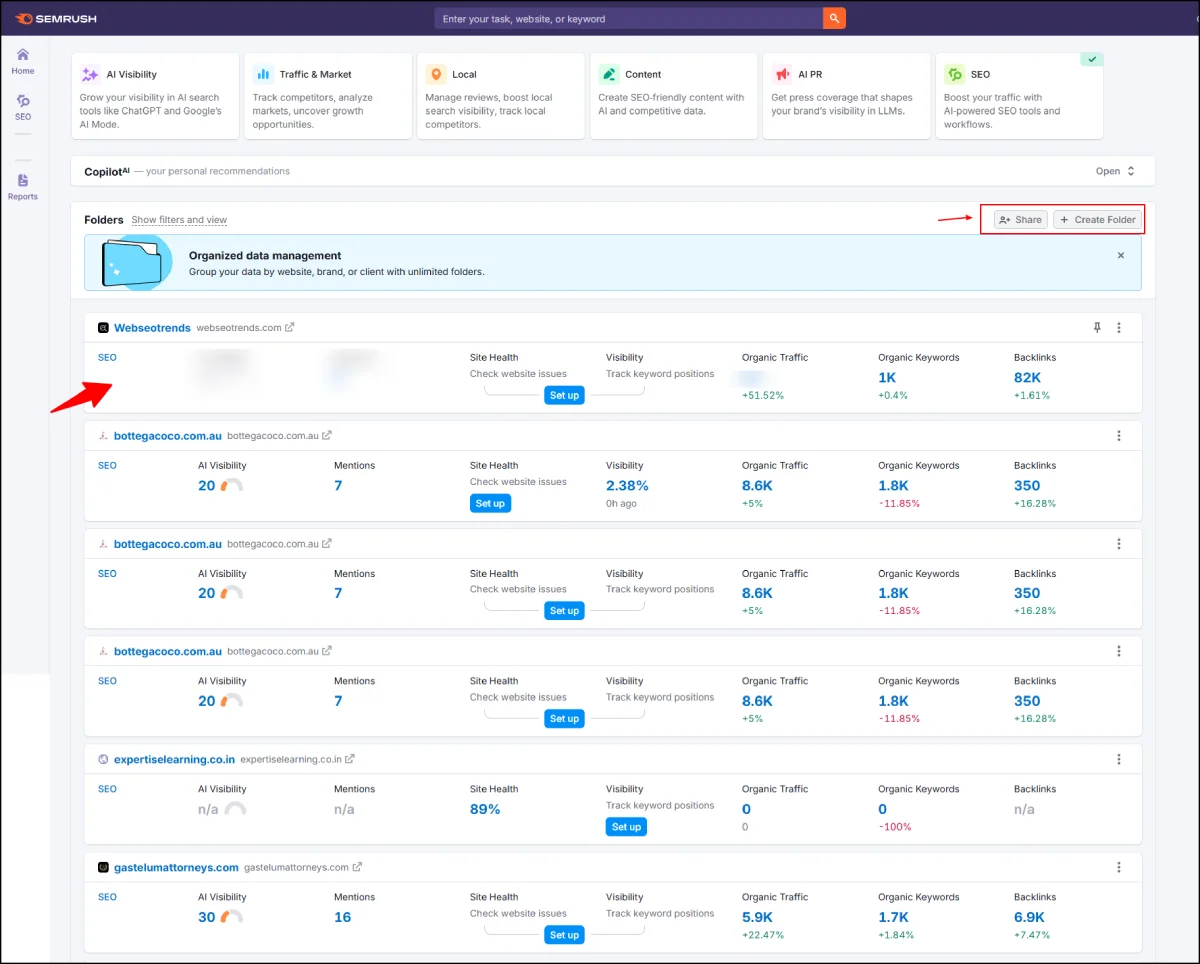
Semrush Projects

Semrush Projects

If you’ve ever managed more than one website or wanted to keep your SEO campaigns organized, Semrush Projects is a game-changer. This feature allows us to track performance, audit sites, analyze backlinks, and monitor keyword rankings — all under one dashboard.

Whether you’re running a single blog or managing multiple client websites, Semrush Projects helps you stay in control with real-time data and clear visual insights.

What Are Semrush Projects?

Semrush Project is basically a workspace where you can manage all your SEO and marketing data for a specific website. When we create a project, Semrush automatically pulls in key information like:

  • Site health and technical issues

  • Keyword positions and ranking changes

  • Backlink profile overview

  • Traffic analytics

  • Competitor performance

Think of it as your personal SEO control center — everything you need to monitor a website’s growth, all in one place.

I personally love using Projects because it keeps things organized and helps me quickly identify what’s working and what needs improvement.

How to Set Up a New Project in Semrush

Setting up a project in Semrush is super simple. 

Here’s how we usually do it:

  1. Log in to your Semrush dashboard and click on “Projects” in the main menu.

  2. Click “Create New Project.”

  3. Enter your domain name and project name (for example, “Webseotrends SEO Tracking”).

  4. Choose which tools you want to activate — like Site AuditPosition TrackingBacklink Audit, or On-Page SEO Checker.

  5. Semrush will then start gathering data automatically and display it in easy-to-read reports.

Once your project is live, you can receive weekly email updates and set automated alerts for ranking changes or technical issues.

It’s one of the easiest ways to stay consistent with your SEO strategy without manually checking multiple tools.

Managing Multiple Sites with Projects

If you manage multiple websites — like I do for clients — Semrush Projects makes it easy to handle everything efficiently. Each project works independently, so you can:

  • Track different keyword sets for each website.

  • Monitor backlinks separately to avoid confusion.

  • Run site audits automatically on a schedule.

  • Compare traffic trends across multiple projects.

  • Share reports with team members or clients with just one click.

We can even integrate Google Analytics and Google Search Console with Semrush Projects for deeper insights.

In short, Semrush Projects simplify SEO management — helping us focus more on growth, strategy, and performance instead of getting lost in scattered data.

SEMrush Pricing: What You Need to Know

SEMrush’s pricing is structured around three core plans designed for different levels of SEO work. The Pro plan is the most affordable option and works well for freelancers, small websites, and beginners who need solid keyword and competitor insights. The Guru plan is a step up, offering more limits, historical data, and content-focused tools — great for growing businesses or teams producing regular content. For agencies or large operations with heavy data needs, the Business plan provides advanced features, high limits, and scalability.

Here’s a clear, easy-to-read breakdown:

PlanMonthly PriceBest ForKey Highlights
Pro~$129.95/monthFreelancers, small businesses, beginnersCore SEO tools, keyword research, competitor data, site audits
Guru~$249.95/monthGrowing businesses, content-heavy websitesHistorical data, content marketing tools, larger limits
Business~$499.95/monthAgencies, enterprises, high-traffic sitesAdvanced features, API options, maximum limits and scalability

SEMrush also offers optional add-ons (like local SEO features, extra users, or enhanced traffic insights), which can increase the total cost depending on your needs. If you’re planning to use SEMrush long term, switching to annual billing can save you around 15–17% compared to paying month by month.

Overall, Pro is ideal for basic SEO, Guru hits the sweet spot for most growing teams, and Business is the powerhouse for heavy-duty SEO and agency workflows. If you want, I can also rewrite this table to match a specific tone or design style.

What I Like About Semrush

There are quite a few things I genuinely appreciate about using Semrush. It’s a tool that brings a lot of value, especially if you work with SEO or content.

Here’s what stands out for me:

  • All-in-one platform: I love that everything — keywords, competitor research, site audits, backlinks — is in one place. No need to juggle multiple tools.

  • Strong keyword data: The keyword insights are detailed and reliable, which makes content planning a lot smoother.

  • Great competitor analysis: You can quickly see what others in your niche are ranking for, where their traffic comes from, and which pages perform best.

  • Time-saving workflows: The dashboards pull in a ton of info without forcing you to dig around.

  • Versatile toolset: It’s not just SEO — you get PPC tools, social media features, content suggestions, and more.

  • User-friendly interface: Even if you’re not super technical, the layout is intuitive once you explore it a bit.

What I Don’t Like About Semrush

As helpful as Semrush is, there are a few areas where it could be better. It’s powerful, but not perfect.

Here are the main drawbacks for me:

  • High pricing: It’s one of the pricier SEO tools, which can be tough for freelancers, beginners, or small teams.

  • Learning curve: Because there are so many features, it can feel overwhelming when you’re new.

  • Feature limitations on lower plans: Some tools and reports are locked behind higher-tier subscriptions.

  • Inconsistent tool polish: Certain features feel modern and refined, while others haven’t been updated in a long time.

  • Data overload at times: The sheer amount of information can make it hard to know where to start if you’re not experienced.

Conclusion

SEMrush brings together a wide range of tools that can genuinely help you understand your competition, plan smarter content, and improve your search visibility. It doesn’t matter if you’re managing a single website or juggling several projects — the platform gives you plenty of data and insights to make confident decisions.

Of course, it’s not without its downsides. The price may be a hurdle for beginners, and some areas of the platform do require a bit of learning before everything feels intuitive. But if you’re serious about improving your SEO and want one tool that can handle nearly every part of the process, SEMrush is a strong choice.

Overall, SEMrush fits best for users who want an all-in-one SEO solution with depth, reliability, and room to grow. If it fits your goals and budget, it’s a tool that can support long-term progress and help you build a more effective online strategy.

Scroll to Top