

Google’s top three results capture 54.4% of all clicks. This statistic highlights the high stakes in B2B SEO success stories. Companies need effective SEO strategies to drive business development.
Results from companies with targeted SEO approaches tell a compelling story. Some companies doubled their signups, while others saw their organic traffic triple. One HR SaaS company’s success stands out even more. Their daily clicks grew 17 times, leading to a 1300% surge in organic traffic within 7 months.
These remarkable results show consistent success patterns in B2B sectors of all sizes. Success stories range from regional search impression growth to 888% jumps in organic traffic. These case studies prove that properly executed SEO strategies deliver measurable results in any industry.
Why SEO Is important for B2B growth?
Search engines serve as the main gateway to B2B discovery. A remarkable 68% of online experiences start with a search engine. This change in buying behavior has reshaped the scene, making SEO a vital business growth strategy.
The B2B scene now exists in a complex digital world. Business visibility directly shapes opportunities. B2B buyers perform an average of 12 searches before they visit a vendor’s website. Companies that lack solid SEO strategies risk becoming invisible to their ideal customers, whatever innovative solutions they offer.

Numbers clearly show SEO’s vital role in B2B growth:
- B2B companies get twice the revenue from organic search compared to other channels
- 61% of B2B marketers call SEO and organic traffic their top inbound marketing priority
- Almost 60% of B2B businesses say SEO gets more leads than other methods
- 49% of all B2B spending happens online
- Organic search brings in 44.6% of all revenue in B2B industries
SEO builds credibility and trust beyond visibility. These qualities matter greatly in the business world. High rankings on search results pages make your company an authority figure. This builds trust with potential clients before they contact you.
Trust matters because 83% of B2B buyers prefer to research independently through search engines and vendor websites.
SEO offers budget-friendly results compared to traditional marketing methods. It cuts customer acquisition costs by 87.41%. The results last long after the original investment. Well-optimized content keeps attracting traffic for months or years, unlike paid ads that stop working when funding ends.
B2B sales take longer and need more steps than B2C. Multiple decision-makers often take part in high-value deals. This makes B2B SEO challenging. Success comes from targeting specific, long-tail keywords that match what business professionals search for, rather than broad, high-volume terms.
SEO works like an engine that powers online visibility. It pushes businesses to the top of search results when potential clients look for solutions. This strategic placement has become necessary now that 66% of B2B buyers use internet search as their main way to find products.
1. How Slite Doubled Product Signups with SEO
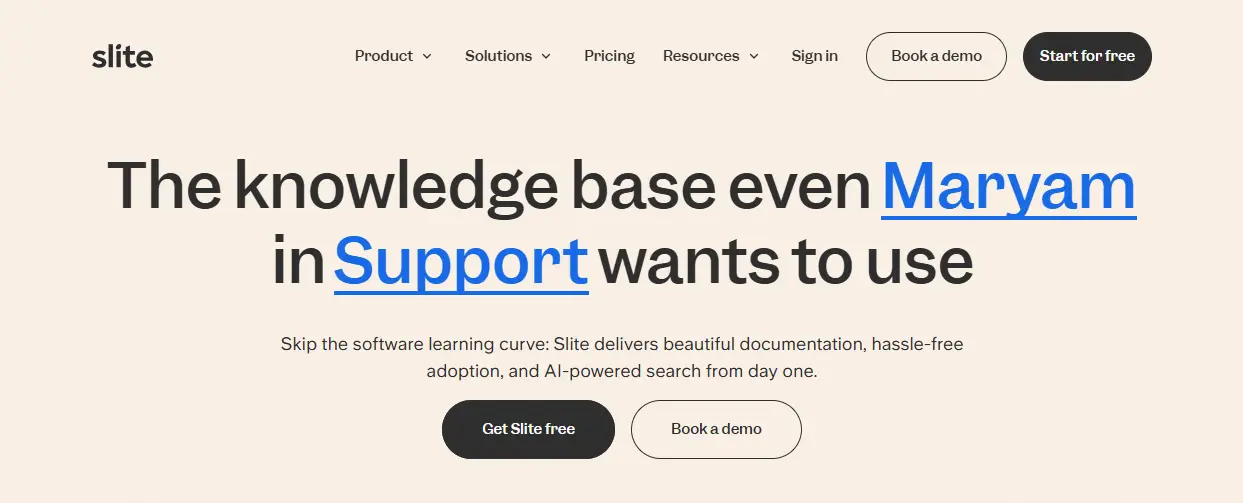
Slite became a game-changer in the team knowledge-base platform category with its document management and asynchronous collaboration capabilities. The path to success wasn’t easy for this B2B SaaS company in a competitive market.
Challenge: Competing with Notion and Coda
The online collaboration space is fiercely competitive. Notion and Coda dominate the market. Slite’s clean UI/UX and focused approach to knowledge management needed more to break through this crowded field. Notion’s position as an “all-in-one” workspace tool with extensive customization options made it hard for specialized platforms to stand out.
Slite’s team knew their product had unique advantages. Users loved that they “couldn’t make a document look bad in Slite”. The simplicity and focus were Slite’s strengths, but these qualities didn’t translate into market awareness or product adoption.
Strategy: On-page SEO and Scalable Content Architecture
Slite partnered with Skale to develop a detailed SEO strategy after securing an $11 million Series A funding round. The team saw a chance because competitors weren’t investing heavily in SEO.
The team started by analyzing Slite’s market position and website structure. They built a model to learn about high-potential pages based on conversion rates by intent and topic competitiveness. This information helped them place strategic “bets” on specific pages to optimize.
The life-blood of their strategy changed Slite’s website architecture into a scalable content system. The team implemented on-page optimizations that followed SEO best practices. This architectural approach meant SEO improvements would flow throughout the site instead of needing page-by-page optimization.
The core team built dozens of high-quality SaaS niche backlinks that targeted their priority pages. They refined the conversion funnel through A/B testing via Google Optimize.
Results: 195% Conversion Rate Increase and #4 Keyword Ranking
Slite’s SEO campaign delivered remarkable results in just three months:
- 120% increase in organic product signups
- 195% improvement in visit-to-signup conversion rates
- 190% growth in organic traffic
Slite grabbed the #4 worldwide position for “meeting minutes”—a term with 46,000 global monthly searches—in under three months.
These numbers directly boosted business growth. The soaring win proved SEO was a vital channel for Slite’s expansion, which led to more investment in this area for their long-term growth strategy. This case shows how focused SEO efforts help B2B SaaS companies win market share even against industry giants.
2. Nathan Latka’s 568% Organic Traffic Growth in 12 Months
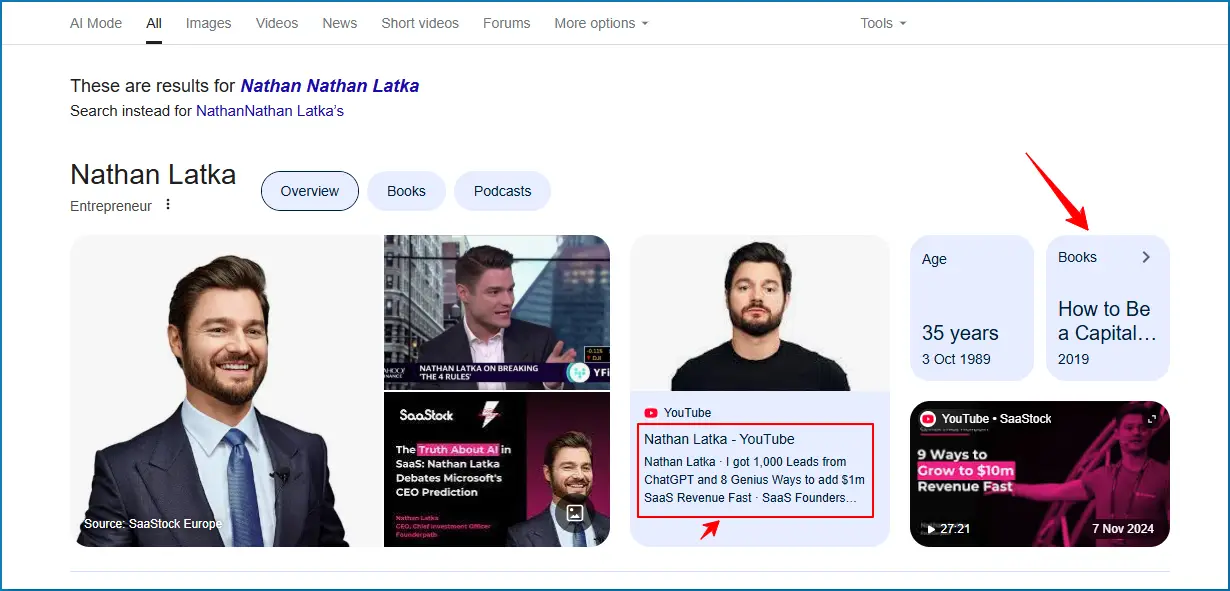
Nathan Latka’s database stands out as a fascinating example of SEO success in B2B SaaS. He built GetLatka, a complete SaaS company database that tracks financial metrics and growth data from thousands of software companies.
Challenge: Competing with Crunchbase and Owler
GetLatka had to take on some tough competitors in the business intelligence space. Crunchbase ruled the search results for company information with its huge funding database and deep industry connections. Owler also held a big chunk of the market with its competitive intelligence platform.
The biggest problem came from these competitors’ strong domain authority and their firm grip on search rankings. GetLatka faced another hurdle – they needed to attract both founders who would share data and subscribers looking for SaaS insights. This meant their SEO strategy had to work for two different audiences.
Strategy: SaaS Keyword Research and Link Building Campaign
Latka took a laser-focused approach to SaaS keyword research. Instead of casting a wide net like other business databases, GetLatka zeroed in on specific SaaS terms that showed clear buying intent. They targeted phrases like “SaaS revenue multiples” and “[competitor name] alternatives” – terms that showed users were actively looking for software solutions.
The team created a content calendar that revolved around SaaS metrics, valuations, and growth strategies. Their link building campaign targeted three main areas:
- Tech publications covering the SaaS industry
- Founder interviews that naturally attracted backlinks
- Guest posts on established SaaS blogs
The technical side involved creating database schemas that search engines could easily crawl. The team structured URLs to capture long-tail SaaS keywords, which helped them win in areas their competitors had missed.
Results: Page 1 Rankings for High-Intent SaaS Terms
The next 12 months brought amazing results. GetLatka saw their organic traffic jump by 568%, which put them right in front of their target audience. The site climbed to the first page for many valuable SaaS-related search terms that showed strong buying intent.
Paid subscriptions grew at an impressive rate. The database now shows up at the top for hundreds of SaaS company name searches. It has become the go-to source for industry research.
The most impressive part? They achieved this growth mainly through SEO rather than paid ads. Users came to the site with specific SaaS research goals, which led to better engagement and lower bounce rates than industry standards.
This case shows the power of focusing on a specific niche in B2B SEO. GetLatka found its sweet spot by concentrating on SaaS metrics instead of trying to compete with bigger, general business databases.
3. Piktochart’s 860% Signup Growth via Link Building
Piktochart’s soaring win shows how targeted link building can revolutionize a company’s digital world even in highly competitive markets. This visual communication platform that specializes in infographics, presentations, and reports shows what strategic SEO execution can achieve.

Challenge: Competing with Canva in a Crowded Market
Piktochart struggled to stand out at the time their SEO campaign began. Canva—a design giant with massive funding and market recognition—dominated the space. The team faced an uphill battle to differentiate themselves from Canva and many other visual content creation tools in the market.
The visualization tool market had substantial barriers to entry. Canva’s overwhelming popularity created a “winner-takes-all” dynamic. The core keyword targets had high difficulty scores, which made organic ranking tough for a smaller company.
Strategy: Focused Link Building on Two Key Pages
Piktochart took a laser-focused approach. The team picked two high-value pages to target their link building efforts:
- Their presentation maker page
- Their infographic maker page
The company teamed up with a specialized SEO agency to run a targeted link acquisition campaign on these critical pages. This precise approach let them focus resources where they would make the biggest effect.
The team built high-quality backlinks from authoritative domains in design, marketing, and business. They looked beyond just increasing link numbers and prioritized contextual relevance. Links appeared within content about presentation tools, visual communication, or infographic creation.
The team managed to keep the existing site architecture instead of restructuring it. This proved that strategic link building alone can drive big results without complex technical changes.
Results: 9x Traffic Increase and #2 Ranking for ‘Presentation Maker’
The results were remarkable:
- 860% growth in product signups from SEO efforts
- 9x increase in organic traffic volume
- Secured the #2 position for the competitive keyword “presentation maker”
- Reached first-page rankings for dozens of related terms like “infographic creator” and “presentation software”
These improvements happened without extensive content creation or technical SEO overhauls. This shows the power of focused link building when done right.
B2B companies can learn an important lesson here: targeting a few high-value pages often works better than spreading efforts across an entire site. Piktochart’s success proves that strategic focus beats broad implementation in competitive markets.
4. Perkbox’s 102% MQL Growth through Page Re-Optimization
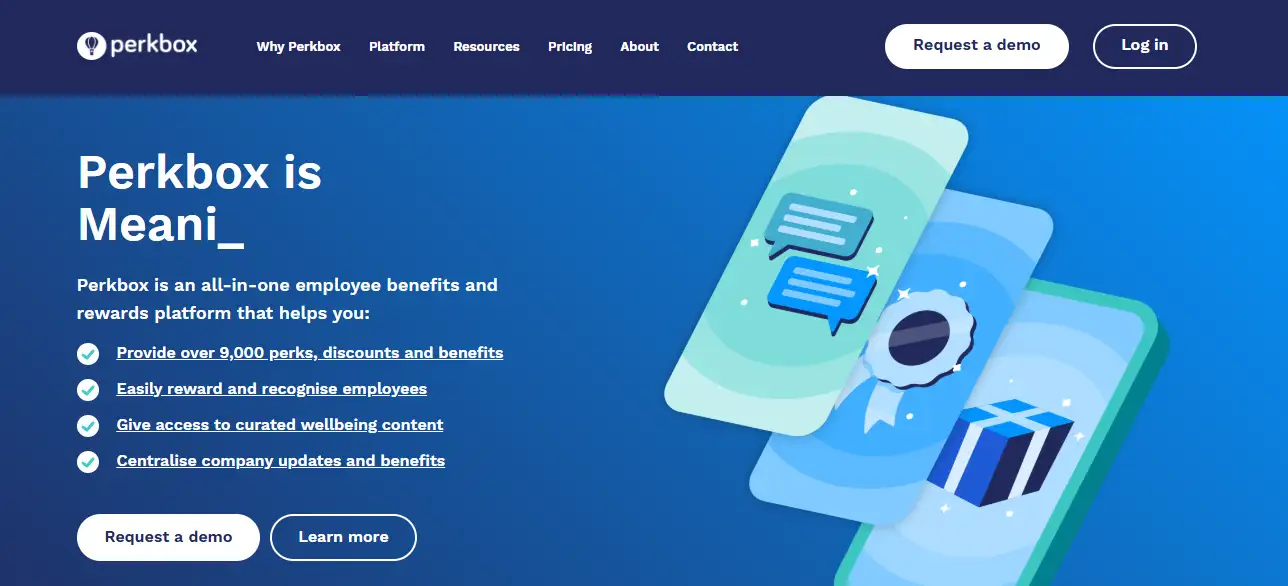
The sort of thing I love about Perkbox is how simple on-page optimization brought amazing B2B results. This employee benefits platform helps thousands of companies in Europe. They offer rewards, recognition, and wellbeing solutions that boost workplace engagement.
Challenge: High Deal Value, Low Visibility
Perkbox ran into a common B2B problem. Their high-value deals brought in thousands in yearly contracts, but their search visibility didn’t match up. The company had name recognition but couldn’t show up in searches when potential customers looked for employee benefits solutions.
The core team spotted their biggest problem. Their service pages needed better search optimization. This meant they missed out every time HR decision-makers searched online. On top of that, they needed a stronger technical SEO foundation to compete with prominent HR software providers who dominated the digital world.
Strategy: Meta Title and H1 Optimization for High-Intent Keywords
Instead of complex plans that eat up resources, Perkbox took a surprisingly simple path. They focused on:
- Researching keywords that HR decision-makers actually used
- Finding specific terms that showed buyers were ready to purchase
- Fine-tuning meta titles and H1 headings on their most important service pages
The team optimized for phrases like “employee benefits platform” and “staff recognition software” – terms that showed real buying interest. They didn’t just stuff in keywords. They wrote compelling titles that kept their brand voice while giving searchers what they wanted.
So they rolled out these changes across their site structure. This made sure every page was optimized properly during the user’s trip. The quickest way forward needed minimal developer time but fixed the fundamental SEO problems hurting their visibility.
Results: 49.2% More Clicks and £110 Cost per Opportunity
These simple changes brought remarkable results. Within six months, Perkbox saw:
- 102% growth in marketing qualified leads from organic search
- 49.2% increase in clicks from search results pages
- Budget-friendly acquisition costs at just £110 per opportunity
The most impressive part? These results came mostly from simple on-page optimization, not from creating tons of content or building links. This case shows that sometimes the best SEO improvements come from doing the basics really well instead of trying complicated tactics.
Perkbox’s story proves that B2B companies with premium offerings can get amazing ROI. The secret lies in targeted SEO work that connects with the right decision-makers through well-optimized pages.
5. Moonpay’s Keyword Wins in the Crypto Space
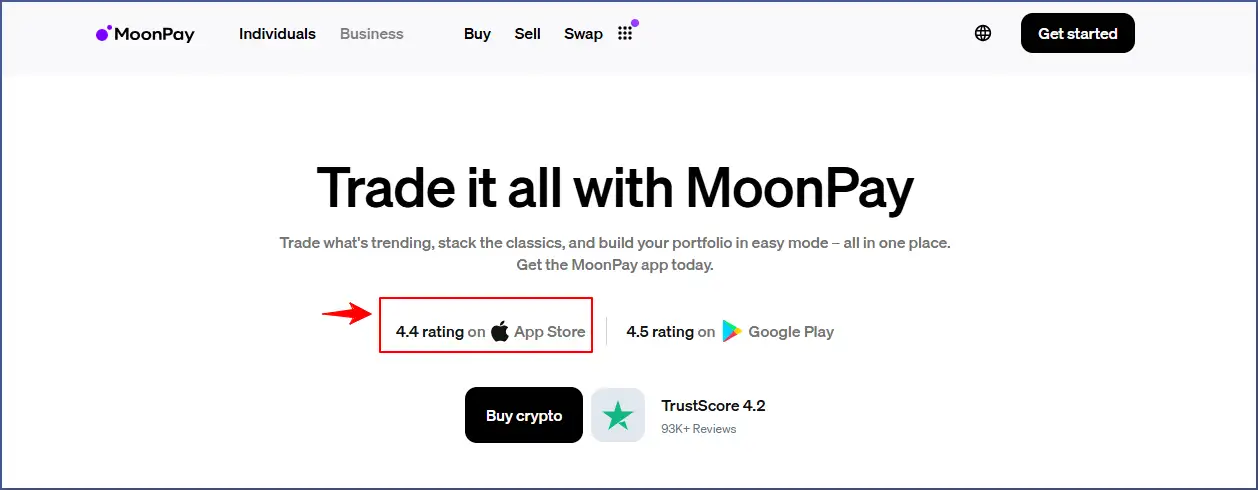
Moonpay created a remarkable SEO success story in the competitive cryptocurrency payment world. This financial technology company lets people buy cryptocurrency using traditional payment methods. Their story shows how targeted SEO strategies work well in specialized markets.
Challenge: Outranking Coinbase and Binance
The cryptocurrency space comes with tough SEO challenges. Established exchanges dominate the landscape. Moonpay had to compete with industry giants Coinbase and Binance. These platforms had massive domain authority and huge content libraries. They held top positions for valuable crypto-related search terms, which made it harder for new players to break through.
Competition wasn’t the only challenge. The crypto industry brought unique obstacles. Search terms evolved faster, volumes changed with market conditions, and regulations varied across regions. Crypto topics were technical in nature. Content needed to strike the right balance between being easy to understand and accurate.
Strategy: Topical Authority Link Building in Crypto Niche
Moonpay used a focused strategy to build topical authority after seeing these challenges. They picked specific transaction-related keywords where they could gain ground instead of competing for all cryptocurrency terms.
Their plan focused on two main areas. First, they created detailed resource pages about crypto payment processes. Then, they got backlinks from trusted finance and cryptocurrency publications. The strategy included:
- Educational content that answered common crypto payment questions
- Mutually beneficial alliances with crypto news outlets for guest posts
- API documentation that drew links from developer communities
Moonpay’s link building prioritized quality over quantity. They reached out only to publications with established authority in the cryptocurrency ecosystem.
Results: 7K+ Monthly Clicks from Non-Branded SEO
The targeted strategy paid off in eight months. Moonpay got more than 7,000 monthly clicks just from non-branded organic search terms. These visitors found their service through general crypto payment searches rather than looking for Moonpay directly.
Moonpay now ranks on the first page for many high-value terms about cryptocurrency purchases and payment processing. Their domain authority grew enough to compete with larger platforms on specific transactional keywords.
Traffic quality mattered more than quantity. Users who came through these optimized paths converted substantially better than other channels. This success directly helped business growth in a competitive market.
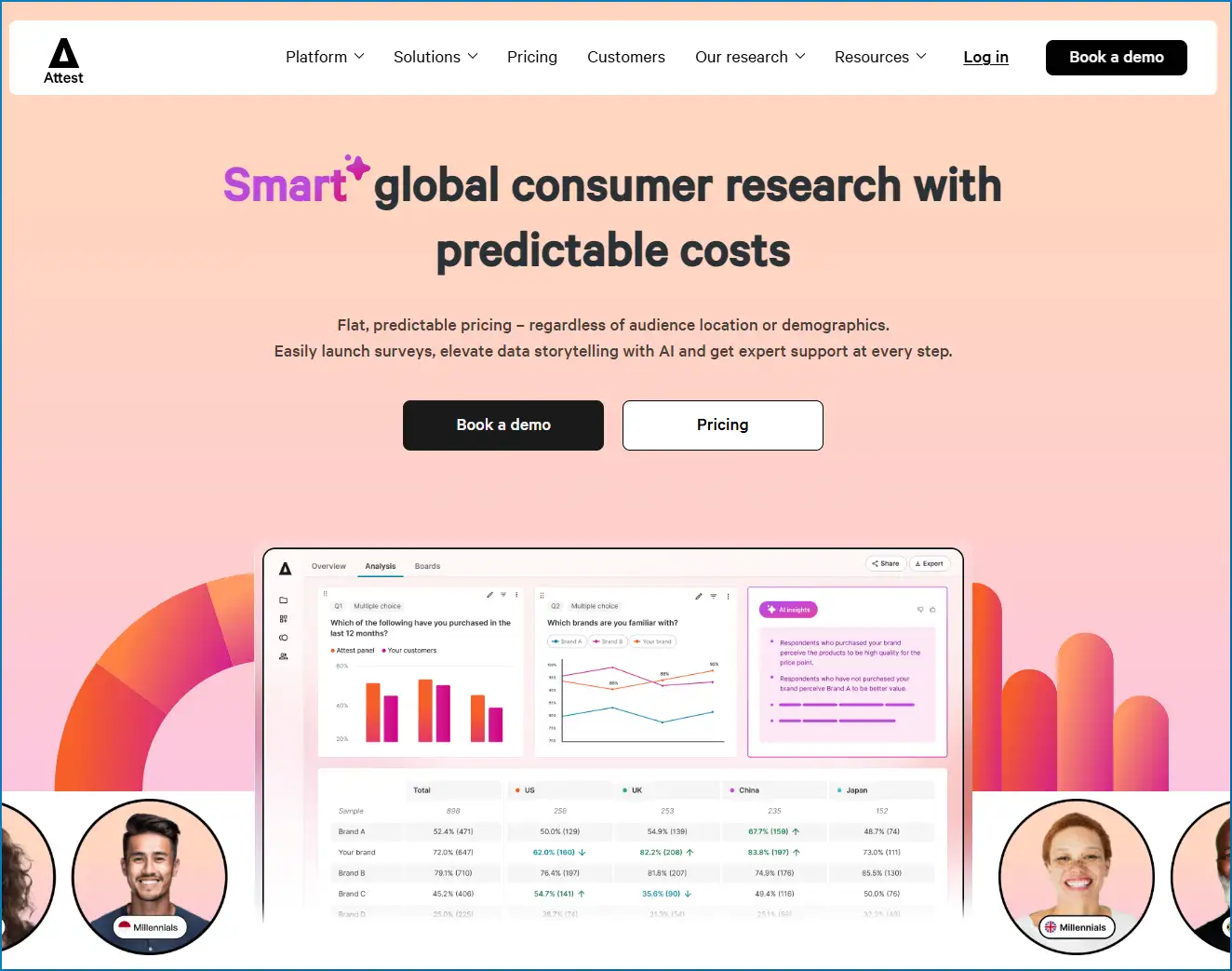
6. Attest’s 8.5x Signup Growth with Technical SEO
Attest, a market research platform for B2B clients, shows how fixing technical SEO problems can reshape the scene of business results, even when existing traffic looks good at first glance.
Challenge: Low-Intent Traffic Despite High Volume
Attest ran into a common B2B company problem. Their website attracted lots of visitors, but very few converted into customers. A deeper look gave an explanation – their visibility mostly came from informational keywords that brought visitors who weren’t ready to buy.
The biggest problem was clear. Attest ranked well for general terms about surveys and consumer insights but didn’t deal very well with high-intent searches like “market research tools” where potential buyers looked for solutions. This created a big gap between visitor numbers and actual business outcomes.
Strategy: Technical SEO Fixes and High-Intent Content Creation
Attest took a two-part approach to solve these challenges. The team started with a complete technical SEO audit that showed several urgent issues:
- Page speed optimization across mobile and desktop experiences
- Resolution of crawling issues preventing proper indexing
- Structured data implementation to improve SERP visibility
- Internal linking improvements to distribute authority effectively
The core team went beyond technical fixes and built a content strategy targeting high-intent keywords. This plan focused on creating detailed resources that met market research professionals’ specific needs when looking for tools. Their content answered buyer questions at different funnel stages instead of chasing high-volume informational searches.
The team managed to keep detailed performance tracking throughout the process. This helped them quickly learn which technical improvements and content pieces brought the strongest conversion signals.
Results: #1 Rankings for ‘Market Research Tools’
These strategic changes brought remarkable results. Attest achieved these milestones in six months:
- 8.5x increase in product signups from organic search
- #1 position for the valuable term “market research tools”
- Top-three rankings for dozens of high-intent variations like “online market research platform” and “consumer insight tools”
- Better organic traffic quality metrics significantly
The growth came mainly from visitors ready to buy rather than just more traffic. This case shows B2B companies can get extraordinary results by fixing technical foundations and targeting content strategically, without needing massive content creation or link building campaigns.
7. Webseotrends: 150% increase in organic leads within 6 months
Webseotrends has established itself as a top digital marketing agency in the USA by delivering measurable SEO results for B2B and B2C clients across diverse industries. Their case study demonstrates how a strategic blend of technical SEO, content marketing, and link-building can drive sustainable organic growth.
Challenge: Breaking Through a Competitive Agency Market
The digital marketing agency space in the USA is saturated with many established players. Webseotrends faced stiff competition from both global and regional firms with strong brand recognition and extensive portfolios.
Additionally, prospective clients often searched for generic terms like “best digital marketing agency” or “SEO services USA,” making it difficult for smaller or newer agencies to stand out organically.
The challenge was twofold:
- Gain visibility for high-intent keywords despite high competition
- Build trust and authority quickly to convert leads into clients
Strategy: Hyper-Targeted Local SEO and Authority Content
Webseotrends implemented a multi-layered SEO approach focused on:
- Local SEO Optimization:
They optimized Google My Business profiles, localized landing pages for major US cities, and leveraged customer reviews to boost local rankings. - Authority Content Creation:
The team published in-depth guides and case studies targeting niche sectors like healthcare, SaaS, and manufacturing. Each piece was designed to answer specific client pain points and showcase agency expertise. - Quality Link Building:
Webseotrends partnered with authoritative marketing blogs and business publications for guest posts and interviews, gaining valuable backlinks from trusted domains. - Technical SEO Enhancements:
The agency performed comprehensive site audits to improve site speed, mobile usability, and crawlability, ensuring optimal search engine performance.
Results: 150% Increase in Organic Leads in 6 Months
Within six months, Webseotrends saw:
- A 150% increase in organic leads generated through their website
- Top 3 rankings on Google for multiple competitive local search terms like “digital marketing agency New York” and “SEO services Los Angeles”
- A 40% improvement in site load speed, boosting both user experience and SEO rankings
- Over 30 authoritative backlinks from industry-leading publications
- Enhanced client trust through consistent case study publishing, increasing conversion rates by 25%
This holistic SEO strategy not only elevated Webseotrends’ visibility but also reinforced its reputation as a leading agency in the digital marketing space.
Common Patterns Across Top B2B SEO Case Studies
B2B SEO case studies reveal clear patterns that deliver consistent results. Three core strategies stand out as the foundation of successful B2B search marketing campaigns.
Consistent Use of High-Intent Keyword Targeting
High-intent keywords proved more valuable than generic terms with higher search volume in every successful case study. These keywords show strong purchase readiness and drive specific actions, which makes them crucial for B2B growth [313]. Companies that targeted commercial investigation and transactional intent keywords performed better than those pursuing broader informational terms.
Studies show long-tail keywords (8+ words) face 50% less competition and achieve 20% higher conversion rates [312]. Businesses succeeded when they targeted phrases matching specific problems their products solved, instead of general industry terms. This strategy attracts qualified leads who are closer to buying, which boosts conversion rates and shortens sales cycles [311].
Link Building Focused on Authority and Relevance
Smart B2B companies moved away from quantity-based link building and embraced strategic quality acquisition. They earned links from websites with high domain authority that were relevant to their industry [321]. Companies found better results with targeted, high-quality links than with broad link acquisition strategies.
Authoritative industry publications, professional associations, business partners, and industry experts provided the most effective backlinks [322]. A DR 40 site with relevant content and real traffic produced better results than links from DR 90 sites without context [323]. This approach built domain credibility and created valuable business relationships.
Technical SEO as a Foundation for Adaptable Growth
Technical SEO proved to be more than a checklist item—it created the foundation for green practices. Successful teams prioritized technical fixes based on their effect on conversions rather than error types [331]. They focused on pages critical to buyers and fixed technical issues that directly affected user experience.
Successful companies made sure their pages were crawlable, indexable, secure, fast, and mobile-friendly [331]. They implemented schema markup to enhance SERP visibility and help search engines interpret their content better [332]. This technical base allowed content to reach its full potential and created adaptable growth that needed minimal maintenance.
These patterns show that B2B SEO success comes from smart implementation of high-intent keywords, quality link building, and solid technical foundations that support business goals.
What SEO strategies were implemented to drive B2B growth?
Successful B2B SEO implementations rely on a multi-faceted approach custom-built for business audiences. B2B SEO is different from B2C strategies because the audience and their buying behaviors are unique.
Companies build detailed buyer personas to create successful B2B SEO strategies. These abstract depictions of ideal customers come from market research and existing customer profiles. Decision-makers within target organizations become clear when companies use these personas. This foundation helps businesses understand their prospects’ language and challenges.
Keywords need mapping to match each stage of the complex B2B buying experience. B2B companies should focus on niche-specific keywords with high intent rather than general terms with higher search volumes. B2B keywords usually have lower search volumes but offer better conversion potential.
B2B SEO implementations work best when they combine three core components:
- On-page SEO – Optimizing meta titles, descriptions, headings, and content with relevant keywords improves visibility for specific business queries.
- Off-page SEO – Quality backlinks from authoritative industry publications and professional associations establish credibility.
- Technical SEO – Fast-loading websites that function well across devices and maintain proper indexing support both user experience and search visibility.
Successful B2B companies build adaptable content strategies that showcase their authority. This approach works especially when you have B2B buyers who need confidence in potential partners’ expertise before they make contact.
Topic clusters have become a powerful way to organize content. This structure helps businesses build authority around specific topics instead of individual keywords. Companies create detailed resource hubs that address prospects’ questions at various funnel stages through this approach.
Companies that track key performance indicators tied to business objectives can improve their strategies continuously. Evidence-based adjustments complete the cycle of measuring SEO performance.
How to Set Effective SEO Goals & KPIs for B2B Success
B2B SEO success depends on choosing metrics that directly link to business results. Research shows that companies often quit SEO too early – after just 2-3 months. 6-9 month old businesses need to see their return on investment, while newer companies should wait 9-12+ months.
Your B2B SEO measurement should focus on these most important metrics:
- Conversion rates: The percentage of visitors who take desired actions shows how well your content appeals to potential clients
- SEO ROI calculation: This helps prove value to stakeholders and shapes strategic decisions
- Lead-to-MQL conversion rate: This shows if your marketing campaigns bring in qualified leads
- Customer Lifetime Value (CLV): Your best performance happens when CLV is three times higher than Customer Acquisition Cost (CAC)
Pick performance indicators that match your business goals instead of tracking vanity metrics. B2B companies that used KOB (Keyword Opposition to Benefit) analysis generated 14.6% more leads over 12 months compared to traditional keyword research methods.
Revenue alone shouldn’t be the only way to verify SEO success. Watch for early signs of future success: better rankings, quality backlinks, more Search Console impressions, and improved engagement metrics.
Testing different versions of landing pages, call-to-action buttons, and content offers helps you find what clicks with visitors. These tests turn casual interest into growth opportunities. Google Analytics works like a map of your website – it shows customer paths and spots where conversions happen.
Setting SMART goals (Specific, Measurable, Achievable, Realistic, Time-bound) and tracking the right metrics helps B2B companies verify their SEO strategy before seeing revenue results. This evidence-based, patient approach builds the foundations for long-term SEO success rather than giving up too soon.
How SaaS Startups Grow Fast Using Smart SEO Strategies
Most SaaS startups quit SEO too early. Research shows 70% abandon their efforts within six months, though results typically take 6-12 months to show up. These companies must use targeted approaches to grow sustainably instead of fighting for broad keywords dominated by older competitors.
Smart SaaS companies excel at matching their product’s capabilities with user intent. They target specific terms that decision-makers actually search for, such as “[tool] alternative,” “automated invoice reminders for freelancers,” or “real-time team chat for startups”.
The complex B2B buying experience requires conversion-optimized materials at each stage. Successful companies create comparison pages, use case demonstrations, interactive demos, and customer success stories that build trust.
Technical foundations play a crucial role in success. A solid technical foundation consists of an optimized URL structure, fast-loading pages, strategic internal linking, and proper schema markup. These elements showcase professionalism and build trust – qualities that potential customers value when choosing software solutions.
Your team should track both branded and non-branded keyword performance consistently. The company’s growing reputation allows focus on relevant long-tail phrases. Content improvement happens through rich visuals and updated information. Success comes to those who stay patient, consistent, and adaptable – qualities that set thriving SaaS startups apart from those who give up too soon.
Conclusion
Seven powerful B2B SEO case studies reveal an undeniable truth: search optimization changes business outcomes with the right execution and patience. Slite doubled their signups by building adaptable content architecture. Perkbox achieved 102% MQL growth by optimizing meta titles and H1 tags for high-intent keywords.
These success stories show patterns your business can adopt. High-intent keywords consistently perform better than generic terms with higher search volumes. Nathan Latka showed this perfectly and grew traffic 568% by targeting specific SaaS terms instead of broad competition.
Quality backlinks work better than quantity. Piktochart’s remarkable 860% signup growth came from focused link building on just two vital pages. Their targeted approach produced results nowhere near what scattered efforts across websites typically achieve.
Simple SEO foundations make a huge difference. Attest’s 8.5x signup increase came after fixing simple issues and moving their focus to high-intent content. Your website’s technical foundation affects conversion potential, whatever the traffic volume.
Successful B2B companies stick to long-term strategies instead of giving up early. The data shows 6-9 month old businesses typically see meaningful ROI.
Newer companies need 9-12+ months for substantial results.
Measurement sets successful SEO campaigns apart. Companies track conversion rates, lead quality, and incremental improvements before revenue metrics appear. These early indicators help maintain momentum during the vital growth phase.
These case studies point to a clear conclusion: B2B SEO success comes from strategic keyword selection, quality link building, solid technical foundations, and consistent execution that matches business goals. You now have a blueprint to improve your company’s digital presence and propel development through proven SEO strategies that deliver results.
Key Takeaways From Mani Pathak (#1 SEO Expert)
These seven B2B SEO case studies reveal proven strategies that consistently drive measurable business growth across different industries and company sizes.
• Target high-intent keywords over high-volume terms – Companies like Nathan Latka achieved 568% traffic growth by focusing on specific buyer-ready phrases rather than generic industry terms.
• Quality backlinks outperform quantity every time – Piktochart’s 860% signup growth came from focused link building on just two key pages, proving strategic targeting beats scattered efforts.
• Technical SEO foundations enable scalable growth – Attest’s 8.5x signup increase demonstrates that fixing basic technical issues and optimizing for conversions creates sustainable results.
• Patience pays off in B2B SEO campaigns – Established businesses need 6-9 months for significant ROI, while newer companies require 9-12+ months before seeing meaningful results.
• Simple optimizations can deliver dramatic results – Perkbox achieved 102% MQL growth through basic meta title and H1 optimization, showing that executing fundamentals well often outperforms complex tactics.
The common thread across all successful cases: strategic focus on buyer intent, quality over quantity in link building, and solid technical foundations consistently outperform broad, unfocused SEO approaches in the B2B space.
- AI SEO Tools
- Best Place To Buy Backlinks
- Cheap SEO Tools
FAQs
Q1. What are the key elements of a successful B2B SEO strategy?
A successful B2B SEO strategy typically involves targeting high-intent keywords, building quality backlinks from authoritative sources, implementing solid technical SEO foundations, and creating content that addresses specific buyer needs at different stages of the sales funnel.
Q2. How long does it take to see results from B2B SEO efforts?
Generally, established businesses can expect to see significant ROI from their SEO efforts within 6-9 months, while newer companies may need 9-12+ months to observe meaningful results. Patience and consistent effort are crucial for B2B SEO success.
Q3. What’s the importance of keyword targeting in B2B SEO?
Targeting high-intent, specific keywords is crucial in B2B SEO. These keywords, though often with lower search volumes, tend to attract more qualified leads and have higher conversion potential compared to broader, high-volume terms.
Q4. How does link building contribute to B2B SEO success?
Quality link building from authoritative and relevant industry sources helps establish credibility and improve search rankings. Successful B2B companies focus on acquiring fewer, high-quality links rather than pursuing a high quantity of lower-quality backlinks.
Q5. What role does technical SEO play in B2B growth?
Technical SEO creates the foundation for sustainable growth by ensuring websites are crawlable, indexable, secure, fast, and mobile-friendly. It enables content to perform at its highest potential and supports a positive user experience, which is crucial for converting B2B leads.
